The Art of the 'Vinous Glitch': Intentional Imperfections and the Rise of Anti-Perfectionism in 2026 Wine
In 2026, the wine world is experiencing a fascinating shift with the rise of the 'vinous glitch' – an intentional embrace of imperfections. This trend challenges traditional notions of flawless wine, celebrating unique characteristics that add depth and character. Discover how anti-perfectionism is redefining wine appreciation.

The Art of the 'Vinous Glitch': Intentional Imperfections and the Rise of Anti-Perfectionism in 2026 Wine
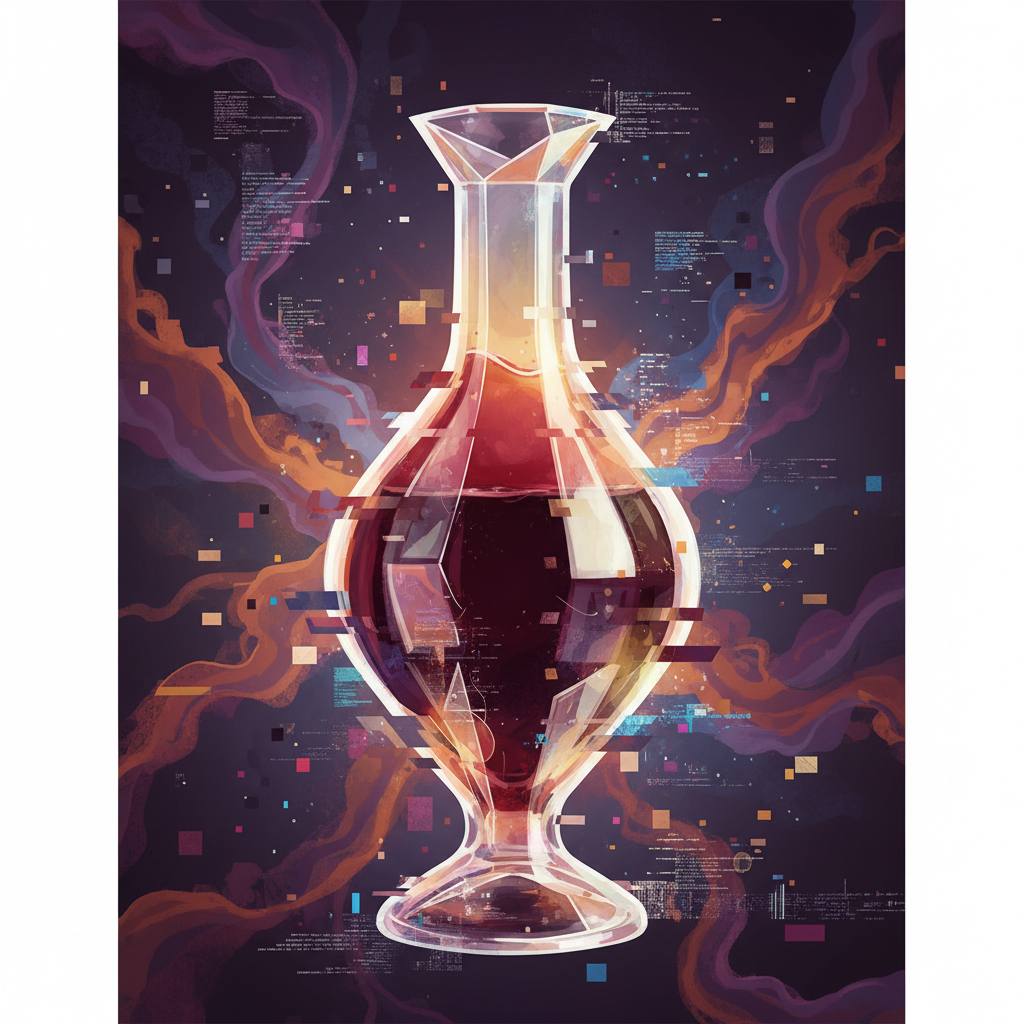
In the evolving landscape of wine appreciation, a fascinating new trend is capturing the attention of connoisseurs and curious enthusiasts alike: the vinous glitch wine. Far from being a flaw, this concept embraces and even celebrates intentional imperfections, challenging the long-held notion of flawless wine as the ultimate goal. In 2026, we are witnessing a significant shift towards anti-perfectionism in winemaking, where subtle deviations from the norm are not just tolerated but actively sought after, adding layers of complexity and character that might otherwise be overlooked. This approach delves into the unique narratives embedded within each bottle, redefining what makes a wine truly exceptional.
This movement aligns with broader trends in the industry, including a renewed focus on reviving nearly extinct local grape varieties and celebrating the distinct qualities of specific micro-terroirs.
Embracing the Unconventional: What is Vinous Glitch Wine?
The term "vinous glitch" refers to wines that exhibit controlled or deliberate anomalies in their production or sensory profile. These are not faults in the traditional sense, which typically point to spoilage or poor winemaking. Instead, a vinous glitch wine might feature a gentle oxidative note, a touch of volatile acidity (VA) that adds brightness rather than off-flavors, or even a subtle hint of brettanomyces (brett) yeast that contributes earthy, savory qualities without overwhelming the fruit.
This movement is a direct response to the increasing standardization often associated with large-scale commercial winemaking. Consumers and producers alike are seeking authenticity and individuality. In 2026, the demand for wines that tell a unique story, even if that story involves a slightly rougher edge, is surging.
The Philosophy Behind Intentional Imperfection
Winemakers embracing the vinous glitch wine philosophy often view these "imperfections" as signatures of their craft. It's about letting the terroir and the vintage speak without excessive intervention, allowing for happy accidents that can lead to extraordinary results.
- Authenticity: Moving away from wines that taste homogenous.
- Terroir Expression: Allowing the unique characteristics of the vineyard to shine, even if it means some quirky notes. For more on how ecological factors shape wine, consider exploring the concept of a vinous bioregion.
- Craftmanship: Demonstrating a sensitive hand in winemaking that allows for slight deviations.
- Storytelling: Each mild "glitch" contributes to the wine's unique narrative and personality.
Distinguishing Glitches from Faults
It's crucial to differentiate a desirable "glitch" from a genuine wine fault. A fault renders a wine unpleasant or undrinkable. For instance, severe oxidation that leaves a wine utterly flat and brown is a fault. A subtle oxidative note in a white wine, adding nutty undertones without losing freshness, could be considered a vinous glitch wine. Similarly, a high level of VA that smells like nail polish remover is a fault, while a delicate lift of VA that brightens perception of fruit might be a pleasant glitch.
Understanding this distinction requires an experienced palate and a willingness to explore beyond conventional expectations. Many critics in 2026 are advocating for a more open-minded approach to wine evaluation.
The Winemaker's Art: Cultivating the Vinous Glitch
Crafting a vinous glitch wine is a delicate balancing act that requires immense skill and intuition. It’s not about negligence but about controlled experimentation and a deep understanding of fermentation, aging, and microbial activity. Winemakers intentionally push boundaries, knowing precisely how far they can go before a beneficial eccentricity turns into a detrimental flaw.
This approach often involves minimal intervention winemaking techniques. These can include using ambient yeasts, eschewing excessive fining and filtration, and employing alternative aging vessels like concrete eggs or ancient amphorae, which can inherently introduce unique characteristics.
Techniques for Controlled Imperfection
Several methods contribute to the creation of vinous glitch wine:
- Natural Fermentation: Relying on indigenous yeasts, which can introduce a wider, sometimes unpredictable, array of aromatic compounds compared to commercial yeast strains. For a deeper dive into the microbial world, consider research into yeast biodiversity in current winemaking.
- Extended Lees Contact: Keeping the wine in contact with spent yeast cells can impart texture, body, and complex savory notes, often with a subtle bready or yeasty character.
- Limited Sulfur Dioxide (SO2) Use: While SO2 protects wine from oxidation and microbial spoilage, extremely low levels or complete avoidance can allow for more pronounced oxidative notes or the development of interesting microbial populations.
- Playing with Oxygen: Introducing controlled amounts of oxygen during winemaking or aging can lead to nuanced oxidative characteristics, such as sherry-like notes in white wines or softening tannins in reds.
These techniques require constant monitoring and a deep understanding of microbiology, chemistry, and sensory analysis to ensure the "glitch" enhances rather than detracts from the wine's quality. The modern winemaker who excels at this is as much an artist as a scientist.
Sensory Exploration: Tasting the Nuances of Vinous Glitch Wine
Tasting a vinous glitch wine is an experience that challenges and expands the palate. It encourages drinkers to move beyond standard descriptors and embrace a wider spectrum of aromas and flavors. For those accustomed to perfectly clean, fruit-forward wines, these may initially seem unusual, but with an open mind, their complexity can be incredibly rewarding.
When approaching such a wine, pay attention to elements that might typically be considered unconventional. Are there notes of bruised apple, truffle, dried leaves, or even cured meats? These are often signs of a well-executed glitch, contributing depth and intrigue rather than being off-putting. The goal is balance—even with an imperfection, a great wine remains harmonious.
Key Descriptors for Glitched Wines
- Oxidative Notes: Think walnuts, hazelnuts, dried fruit, mushroom, or a faint saline quality. These can be captivating in wines designed for this profile.
- Earthy/Savory: Hints of forest floor, leather, tobacco, or a subtle gamey characteristic (often from controlled brettanomyces) can add remarkable complexity.
- Bright Acidity: Sometimes a controlled touch of volatile acidity (VA) can lift aromatics, making a wine feel more vibrant and less heavy.
- Unique Textures: Extended lees contact or less fining can lead to a richer, sometimes slightly chalky or grippy mouthfeel.
Learning to appreciate a vinous glitch wine is part of a broader journey into deep wine appreciation, moving beyond simple preferences to understanding the intricate artistry involved in winemaking. Educational platforms like Greatest Wine aim to guide enthusiasts through this sensory adventure, teaching them how to identify, appreciate, and even seek out these intriguing characteristics. For further insights, the Wine Scientist's 2026 report on sensory analysis of intentional imperfections provides valuable data.
Anti-Perfectionism in 2026: A Cultural Shift in Wine Appreciation
The rise of the vinous glitch wine in 2026 is emblematic of a larger cultural shift towards anti-perfectionism, not just in wine but across various artisanal crafts. In a world increasingly dominated by mass production and digital filtering, there's a growing longing for authenticity, individuality, and the tangible hand of the maker.
This movement encourages consumers to celebrate uniqueness and value the story behind the product. It’s about appreciating the beauty in divergence, recognizing that true character often lies in the details that set something apart. For younger generations of wine drinkers, this resonates deeply, as they often prioritize ethical production, sustainability, and transparency. This shift is also influencing the language we use, contributing to the evolving vinous lexicon.
The Impact on Wine Culture and Education
This trend is profoundly influencing wine education and critical discourse. Wine schools and sommelier programs are increasingly incorporating discussions on non-traditional wine styles and the nuanced appreciation of characteristics that might once have been dismissed. Wine critics are also adapting, often highlighting the "personality" and "soul" of wines that cleverly incorporate a vinous glitch wine element.
Festivals and tastings around the world are dedicating more space to natural, orange, and low-intervention wines, which often inadvertently or intentionally feature some form of vinous glitch. This allows for a deeper dive into the art of winemaking and a more inclusive approach to what defines "great" wine.
In conclusion, the vinous glitch wine movement is much more than a fleeting fad; it represents a profound evolution in how we understand and appreciate wine. As we move further into 2026, it is clear that intentional imperfections are not just tolerated but celebrated, opening up new frontiers of flavor, texture, and narrative for wine lovers worldwide. Embrace the glitch, and discover a whole new dimension of wine excellence. For more on emerging trends, check out the International Wine Society's 2026 trend report.
Written by
Juniper Thorne is an experienced writer and educator with a deep passion for the world of wine. Bringing expertise in sensory analysis and wine culture to the Greatest Wine platform, Juniper helps readers explore and appreciate every nuance of wine.
Related Articles

The Cellar Architects: Mastering Elite Wine Preservation and Evolution in 2026
For the true connoisseur, wine is more than just a beverage; it's a living entity, an investment, and a passion. Mastering its preservation and evolution is an art form, especially in 2026 with new technologies and insights. Learn how to protect and enhance your cherished collection.
Juniper Thorne