The Art of the Sommelier's Blueprint: Designing the Optimal Wine Program for Emerging Markets in 2026
In 2026, a well-conceived wine program design is crucial for hospitality success in emerging markets. The global wine landscape continues its dynamic evolution, presenting both unique opportunities and challenges. For establishments aiming to differentiate themselves, understanding and implementing an optimal wine program is key to capturing sophisticated palates and boosting revenue. This article delves into the blueprint for creating such programs.

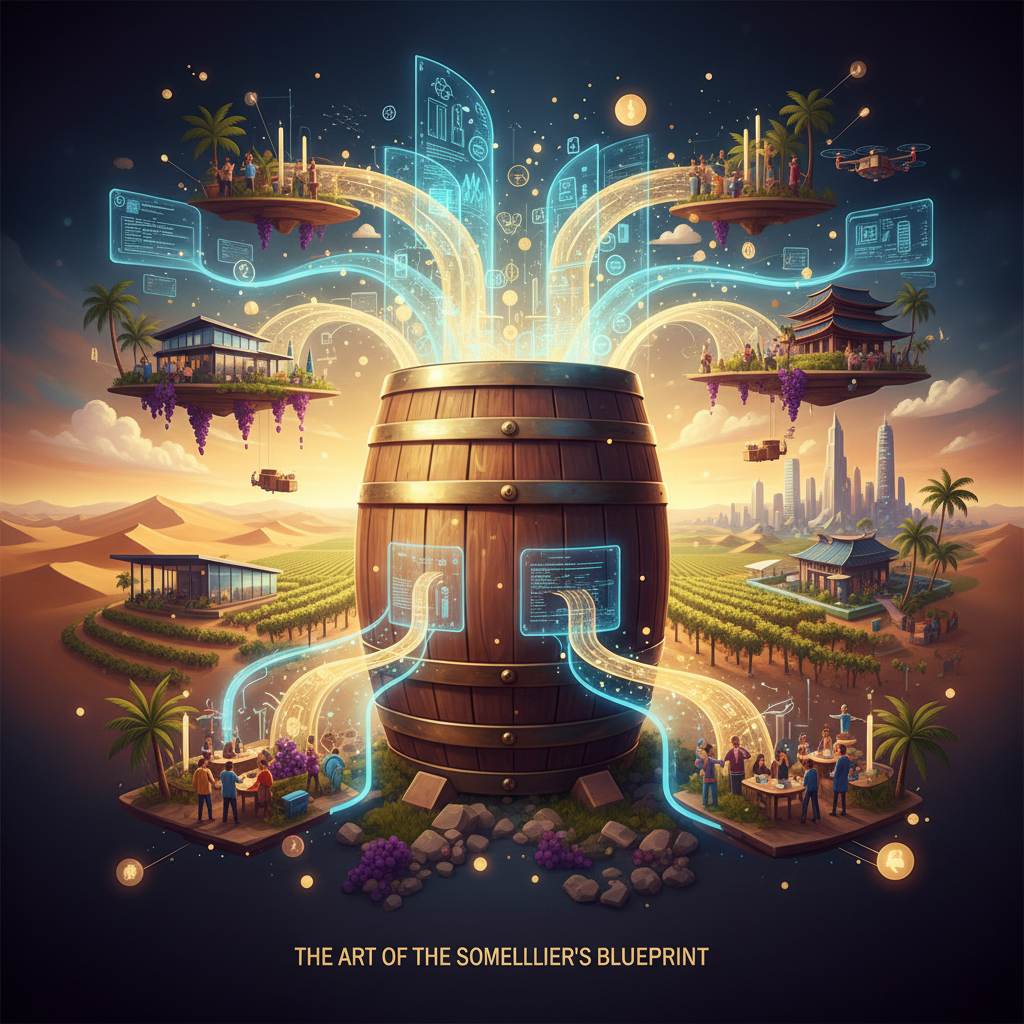
The Art of the Sommelier's Blueprint: Designing the Optimal Wine Program Design for Emerging Markets in 2026
In the dynamic world of hospitality, especially within emerging markets, a well-conceived wine program design is not merely an optional addition but a cornerstone of success. As we move further into 2026, the global wine landscape continues to evolve, bringing new opportunities and challenges. For establishments looking to truly differentiate themselves and capture the burgeoning interest in fine wines, a strategic and deeply thoughtful approach to their wine offerings is paramount. This article delves into the intricate process of crafting an optimal wine program, focusing on the unique considerations and tremendous potential that exist within rapidly developing regions.
Understanding the Landscape: Key Factors in Wine Program Design for Emerging Markets
Emerging markets present a unique blend of cultural preferences, economic realities, and evolving consumer tastes. A successful wine program design must be intimately familiar with these nuances to resonate with its target audience and achieve commercial viability. Blindly importing a program from a mature market is a recipe for failure; instead, adaptability and local insight are crucial.
The sommelier, or the individual responsible for curation, acts as a cultural bridge, translating the sophisticated world of wine into an approachable and exciting experience for new drinkers. This requires more than just knowledge of vintages; it demands an understanding of local palate preferences, dining habits, and even prevailing celebratory traditions.
Consumer Palate and Preferences
Unlike established markets with long-standing wine traditions, emerging markets often have a diverse range of preferences still taking shape. Some regions might lean towards sweeter styles, while others may prefer bolder reds due to their culinary heritage. Researching local gastronomy is critical.
- Identify prevalent local cuisines and their flavor profiles.
- Observe current alcohol consumption trends – spirits, beer, or local beverages.
- Conduct informal surveys or taste tests to gauge initial reactions to different wine varietals.
Economic Considerations and Price Sensitivity
Price point is arguably one of the most critical factors. While there may be a growing affluent segment, the broader market in developing regions is often more price-sensitive than in mature markets. A successful wine program design must offer value across all tiers, not just at the high end.
This does not mean sacrificing quality, but rather finding exceptional wines that offer outstanding value. Exploring less-known regions or up-and-coming producers can yield fantastic results without the premium price tag associated with established names. For further insights into the economic dynamics of the wine world, consider exploring market analysis from the International Organisation of Vine and Wine (OIV).
Regulatory Environment and Import Logistics
Navigating import duties, taxes, and licensing can be complex in emerging markets. These regulatory hurdles can significantly impact availability and cost, directly influencing the feasibility of certain wines within a program. Building strong relationships with reliable importers is non-negotiable.
- Understand local import regulations and customs procedures thoroughly.
- Assess logistics for temperature-controlled shipping and storage.
- Factor in duties and taxes when pricing wines for profitability.
Crafting the Optimal Wine List: Diversity and Accessibility
The wine list is the tangible representation of your wine program design. It needs to be approachable, informative, and enticing. For emerging markets, striking a balance between familiar options and exciting new discoveries is key to encouraging exploration without overwhelming new consumers.
A smart strategy involves offering a core selection of internationally recognized varietals that provide a comfort zone, alongside a curated selection of more adventurous choices. This encourages guests to step out of their comfort zone gradually.
Balancing Familiarity with Discovery
While many guests in emerging markets might be new to wine, they often come with pre-conceived notions or knowledge of popular global brands. Including these can act as an entry point, then gently guiding them towards similar but perhaps more unique or higher-value alternatives.
- Include well-known varietals (e.g., Cabernet Sauvignon, Merlot, Chardonnay, Sauvignon Blanc) initially.
- Introduce regional specialties or emerging wine regions that offer excellent quality and value.
- Use approachable language in descriptions, avoiding overly technical jargon.
Structured Pricing Tiers
A tiered pricing structure allows for accessibility across different budgets while still offering premium options. Clearly delineating these tiers, perhaps by price range or occasion, helps customers navigate the list with confidence.
Consider offering wines by the glass, half-bottles, and full bottles. This flexibility is particularly important in markets where wine consumption may be less frequent or for individuals exploring new wines. For an interesting perspective on how wines are managed and valued in different formats, look at the practices of the secondary wine market in 2026.
Local & Regional Offerings
Where applicable, incorporating local or regional wines can be a powerful differentiator. This not only supports local industries but also offers a unique selling proposition that appeals to both local pride and adventurous tourists. It speaks volumes about the thoughtfulness of the wine program design.
Highlighting the story behind these local wines can create a deeper connection with guests, transforming a simple drink into a cultural experience. This aligns perfectly with the Greatest Wine platform's mission to explore the full culture and craftsmanship behind wine.
Enhancing the Guest Experience: Service and Education in Wine Program Design
A brilliant wine list is only half the battle. The other, equally crucial half, is how it's presented and served. In emerging markets, where wine knowledge may be less widespread, the role of staff education and engaging service becomes even more critical for a successful wine program design.
Guests need to feel comfortable asking questions and exploring new options without fear of judgment. An approachable, knowledgeable, and enthusiastic team can transform a hesitant customer into a lifelong wine lover.
Staff Training and Empowerment
Investing in comprehensive wine education for all front-of-house staff is essential. This goes beyond understanding the wine list; it includes proper serving techniques, storage, and basic food pairing principles.
- Regular tasting sessions for staff to familiarize them with the wines.
- Training on proper decanting, serving temperatures, and glassware.
- Developing communication skills to recommend wines confidently and without pretension.
Interactive & Educational Elements
Consider incorporating elements that make wine approachable and fun. This could include themed tasting flights, introductory wine courses for guests, or special pairing menus. These activities not only educate but also drive engagement and repeat business.
Utilize digital menus with tasting notes, origin stories, and suggested food pairings. This empowers guests to explore at their own pace and discover wines that resonate with them, reinforcing the quality of your wine program design.
For example, a "Wine of the Week" feature with a brief story and pairing suggestion can be highly effective. The Greatest Wine platform often delves into such detailed tasting guides, providing an excellent template for educational content.
Marketing Your Wine Program Design: Reaching the New Connoisseur
Once the optimal wine program is in place, effectively communicating its value to the target audience in emerging markets is crucial. Marketing initiatives must be tailored to local media consumption habits and cultural norms, emphasizing discovery and enhancement. For more on cutting-edge marketing, explore Wine Marketing in the Age of AI in 2026.
Highlighting the unique aspects of your program – be it a focus on local wines, exceptional value, or an unparalleled educational experience – will help attract and retain customers. Social media, local partnerships, and events are powerful tools.
Digital Presence and Storytelling
In 2026, a strong online presence is non-negotiable. Use your website and social media channels to tell the story behind your wines, introduce your sommelier, and share engaging content about wine culture. Visuals are key.
- Showcase enticing photos of your wine list, bottles, and wine-related events.
- Share short videos or articles explaining wine basics or food pairings.
- Engage with followers through polls, Q&A sessions, and contests related to wine.
Partnerships and Events
Collaborate with local chefs for wine-pairing dinners, partner with art galleries for tasting events, or even work with local wine distributors to host educational workshops. These partnerships expand your reach and add value to your offerings.
Hosting regular wine-tasting events, especially ones focused on a specific region or varietal, can generate excitement and draw in new customers. These events provide a low-pressure environment for guests to explore and learn, aligning well with an educational wine program design.
Loyalty Programs and Feedback
Implement loyalty programs that reward repeat customers with exclusive access to special wines, discounts, or invitations to private tastings. Actively solicit feedback to continually refine and improve your wine program design.
Understanding what your customers enjoy and what they wish to see more of is invaluable. This commitment to continuous improvement ensures the wine program remains relevant and exciting as market tastes evolve. Insights from reputable sources like The Wine Institute can offer broader industry trends to consider.
The Future of Wine Program Design in Emerging Markets
As we navigate 2026 and beyond, the potential for growth in emerging wine markets is immense. The success of a wine program design depends on being agile, culturally sensitive, and deeply committed to both quality and education. Beyond mere transactions, the goal is to cultivate a new generation of wine enthusiasts, fostering a deeper appreciation for the craft and culture of wine. For deeper engagement with global wine trends, refer to reports from organizations like Wine Intelligence.
By focusing on curated selections, accessible pricing, excellent service, and engaging education, establishments can not only thrive but also contribute significantly to the global understanding and enjoyment of wine. A thoughtfully constructed wine program becomes more than just a list; it becomes an experience, a journey of discovery, and a vital part of the dining and hospitality landscape.
Written by
Juniper Thorne is an experienced writer and educator with a deep passion for the world of wine. Bringing expertise in sensory analysis and wine culture to the Greatest Wine platform, Juniper helps readers explore and appreciate every nuance of wine.
Related Articles

The Vinous Verse: How Wine's Spirit Inspires 2026's Poetic and Literary Masterpieces
The intricate dance between the grape and the written word has enchanted humanity for millennia. Explore the profound connection between wine and literature, from ancient musings to 2026's contemporary narratives and poetic masterpieces. Discover how the world of wine continually inspires writers.
Juniper Thorne