The Art of the 'Vinous Echo-Location': Mapping Wine's Unseen Sonic Terroir in 2026
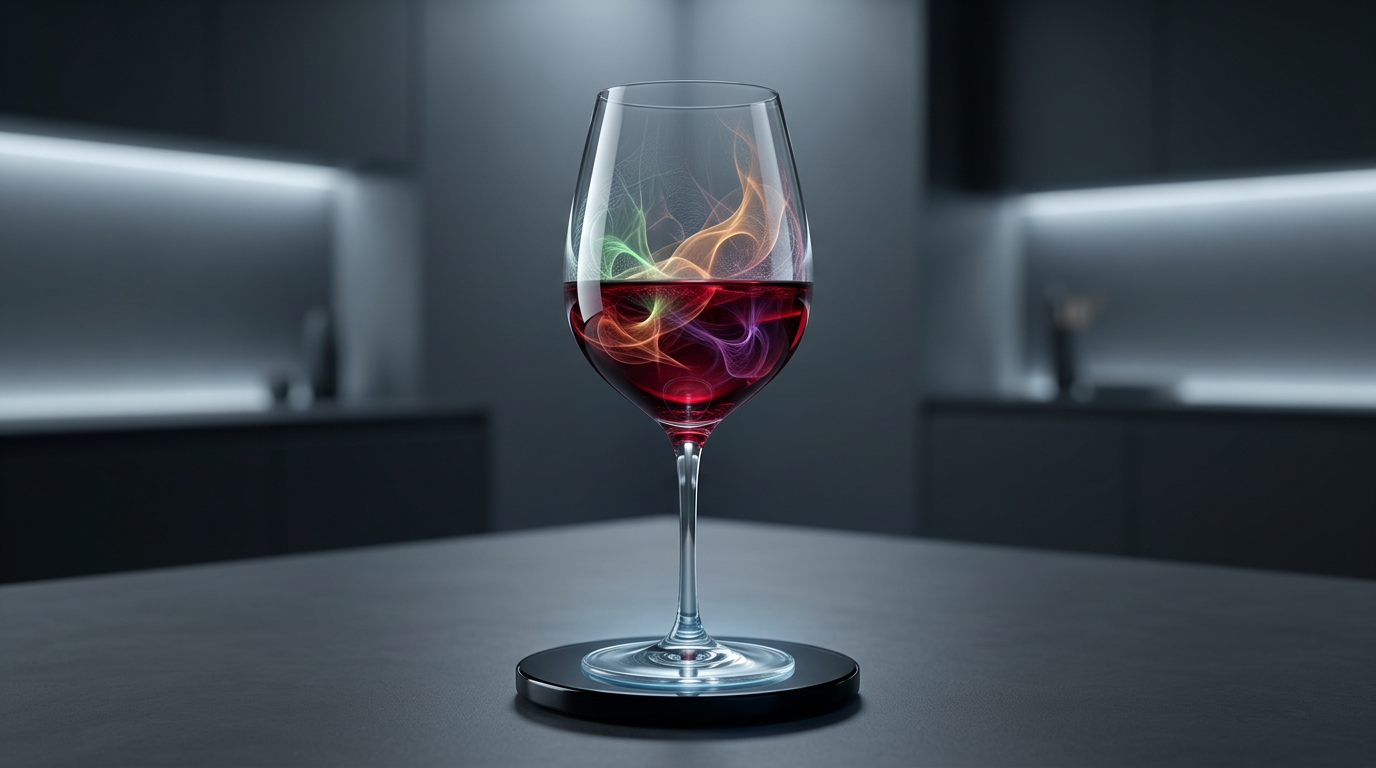
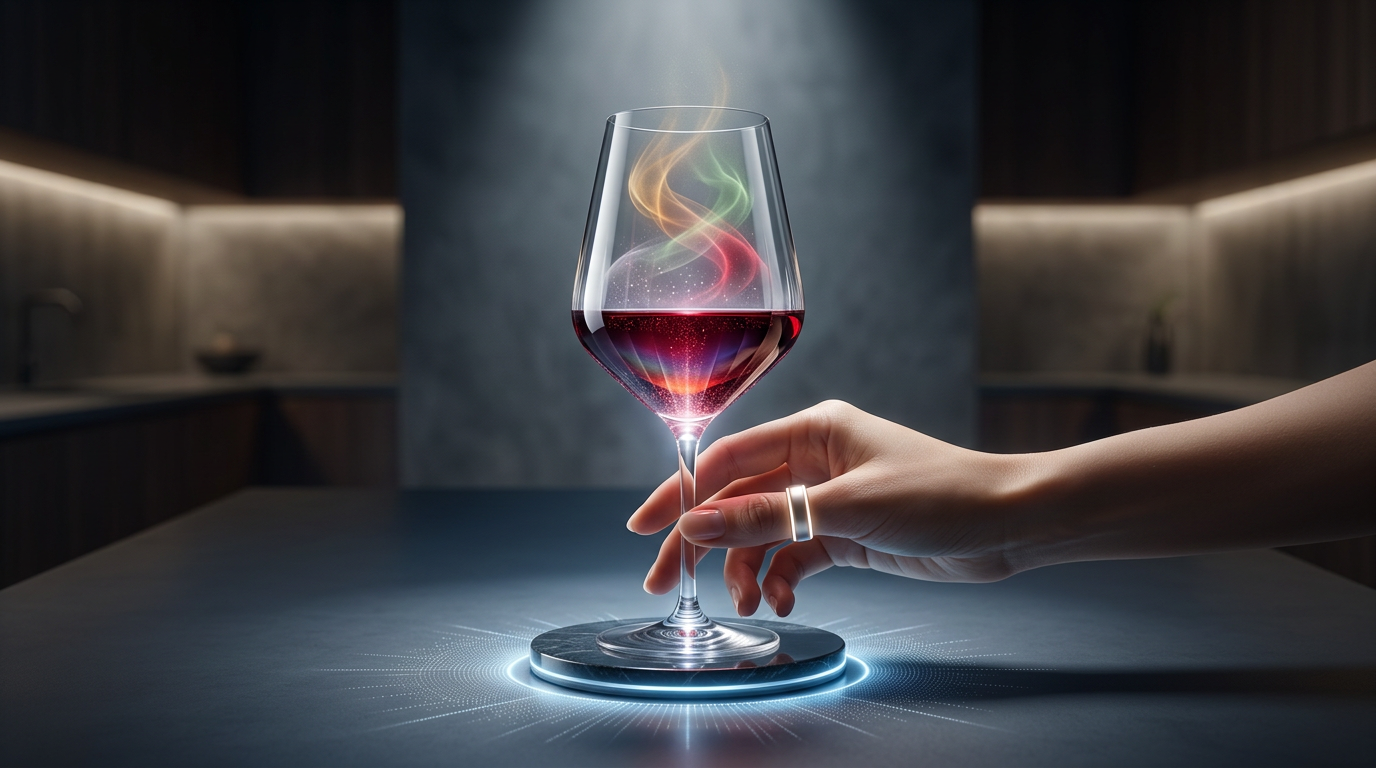
In 2026, the concept of sonic terroir wine is revolutionizing viticulture. This emerging field explores how acoustic environments, from vineyard to cellar, subtly influence wine's sensory profile. Researchers and winemakers are delving into 'vinous echo-location' to understand these unseen sonic impacts, pushing the boundaries of traditional winemaking paradigms. Discover how sound shapes the flavor, aroma, and texture, opening new frontiers in oenology.


Exploring the Depths of Sonic Terroir Wine: A 2026 Perspective
In the evolving world of viticulture and oenology, the concept of sonic terroir wine is gaining unprecedented attention. Far beyond the traditional understanding of soil, climate, and topography, this emerging field investigates how acoustic environments, from vineyard to cellar, subtly influence the sensory profile of wine. As we navigate 2026, researchers and winemakers are delving deeper into the "vinous echo-location"—a fascinating exploration of how sound waves, vibrations, and even ambient noise might shape a wine's character, complexity, and ultimately, its expression of place. This paradigm shift encourages us to reconsider what truly constitutes terroir, pushing the boundaries of our sensory perception and appreciation of wine. This innovative approach complements other cutting-edge research, such as the enduring influence of historic climate shifts on old vine wines in 2026, adding new layers to our understanding of a wine's provenance.
The Science Behind Sonic Terroir Wine
The notion of sonic terroir wine might initially seem abstract, but it's grounded in a growing body of scientific inquiry. This field explores the impact of environmental acoustics on grapevines and the winemaking process itself. It's not just about playing music to fermentation tanks; it’s about a more profound interaction.
Research in 2026 is focusing on several key areas, including micro-vibrations in the soil and their effect on root systems, the frequencies present during fermentation, and even the subtle acoustics of aging cellars. These studies aim to identify quantifiable links between sound energy and specific chemical or physical changes in the wine. This scientific exploration mirrors the detailed work being done in areas like biometric monitoring for optimal vineyard health, both striving to understand the unseen forces shaping our wines.
Micro-Vibrations and Vine Physiology
Vineyards are not silent places. They are alive with natural vibrations from wind, insect activity, and even seismic movements. Scientists are investigating whether these subtle oscillations can influence:
- Nutrient absorption by roots.
- Water transport within the vine.
- The expression of certain genes related to fruit development.
Understanding these interactions could offer new insights into promoting vine health and optimizing grape composition, ultimately contributing to the unique expression of sonic terroir wine. For a deeper dive into how unseen elements shape wine, consider reading about the unseen architects of terroir and wine complexity: the soil microbiome in 2026.
Acoustics of Fermentation and Aging
The fermentation process is a dynamic, effervescent transformation. The sounds produced by yeast activity, coupled with ambient acoustics in the cellar, are now subject to rigorous investigation. Could specific frequencies:
- Influence yeast metabolism and byproduct formation?
- Accelerate or decelerate certain chemical reactions in the wine?
- Affect the stability of aromatic compounds?
Similarly, during aging, some hypothesize that certain sound environments might impact oak integration, tannin polymerization, or the overall textural development of the wine. This adds another layer to our understanding of how wine evolves, much like the exploration of wine's transformation in the cellar in 2026.
Practical Applications for Sonic Terroir in Winemaking
While still an emerging field, the potential practical applications of understanding sonic terroir wine are exciting for winemakers. This isn't about gimmicks but about new avenues for enhancing quality and expressing uniqueness.
Consider the deliberate use of specific sound frequencies to optimize yeast activity in fermentation, or the strategic design of cellars to harness beneficial acoustic properties. These avant-garde techniques could set a new standard for precision winemaking. In 2026, several pioneering wineries are experimenting with these concepts, albeit on a small scale, aiming to uncover their tangible benefits.
Designing for Acoustic Advantage
Just as vineyard aspect and soil composition are meticulously considered, future vineyard and winery designs might incorporate acoustic considerations. This could involve:
- Strategic placement of windbreaks to alter natural soundscapes.
- Architectural choices for fermentation and aging rooms to optimize resonance or dampen disruptive frequencies.
- Developing new materials for barrels or tanks that interact acoustically with the wine.
The goal is to create environments that organically foster desirable characteristics in the resulting sonic terroir wine. The Royal Society Publishing has fascinating research on how sound can influence plant growth, which could provide further insights into this area: The Philosophical Transactions of the Royal Society B: Biological Sciences.
Sonic Influence on Wine Tasting and Perception
Beyond the vineyard and cellar, the acoustic environment in which wine is tasted can profoundly influence perception. A noisy, bustling restaurant versus a quiet, serene tasting room creates entirely different sensory experiences. This external factor, while not strictly part of the wine's intrinsic sonic terroir, interacts with it to shape our overall assessment.
Studies are beginning to show that different background sounds can alter our perception of a wine's:
- Sweetness or acidity.
- Aromatic intensity and complexity.
- Body and mouthfeel.
This highlights the importance of context in wine appreciation and underscores the holistic nature of the tasting experience. Research by Charles Spence at Oxford University explores the crossmodal correspondences between sound and taste, offering a compelling academic perspective on this phenomenon: Crossmodal Research Laboratory at Oxford University.
The Future of Sonic Terroir Wine: A 2026 Outlook
As we look ahead, the field of sonic terroir wine is poised for significant growth. Interdisciplinary collaborations between oenologists, acousticians, biologists, and neuroscientists are crucial to unlocking its full potential. The sophistication of sensory analysis techniques, combined with advanced data processing, will allow for more precise correlations between acoustic inputs and wine outputs.
Expect to see more research papers from leading universities and wine institutes exploring this fascinating dimension of terroir. The dialogue around what constitutes a wine's true sense of place will undoubtedly expand to include these acoustic nuances, enriching our understanding and appreciation for generations to come. This frontier of wine science promises to deepen our connection to the craft and culture of winemaking, revealing unseen influences that shape every sip. The Australian Wine Research Institute (AWRI) is a leader in wine science and frequently publishes on emerging topics, indicating where future research might head: Australian Wine Research Institute.
Written by
Juniper Thorne is an experienced writer and educator with a deep passion for the world of wine. Bringing expertise in sensory analysis and wine culture to the Greatest Wine platform, Juniper helps readers explore and appreciate every nuance of wine.
Related Articles
The Vinous Arsenal: Essential Tools for Elevating Your Wine Experience in 2026
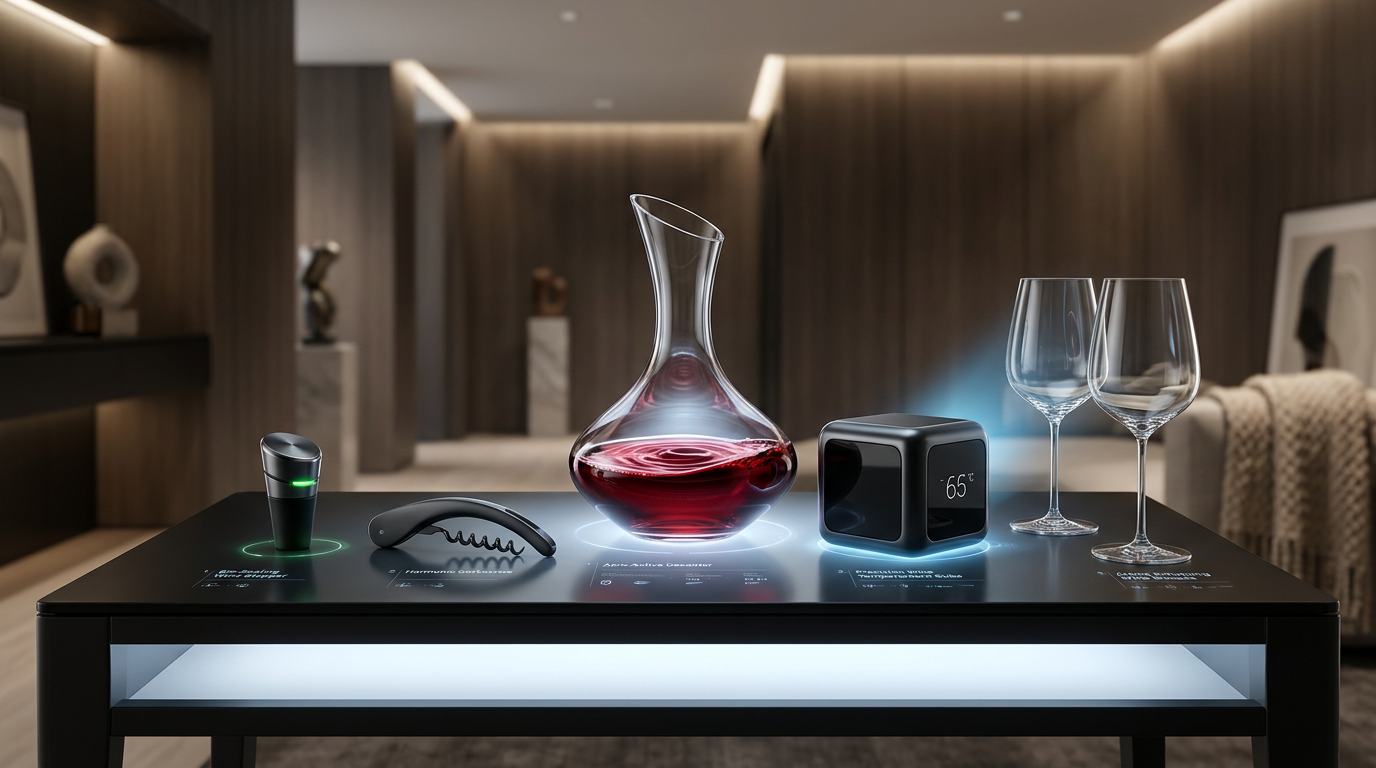
As we navigate May 2026, the world of wine continues to evolve, offering enthusiasts unprecedented tools. Discover the essential wine accessories for 2026 that will elevate your enjoyment, from innovative aerators to smart preservation systems. Upgrade your vinous arsenal today with Greatest Wine.
Juniper Thorne