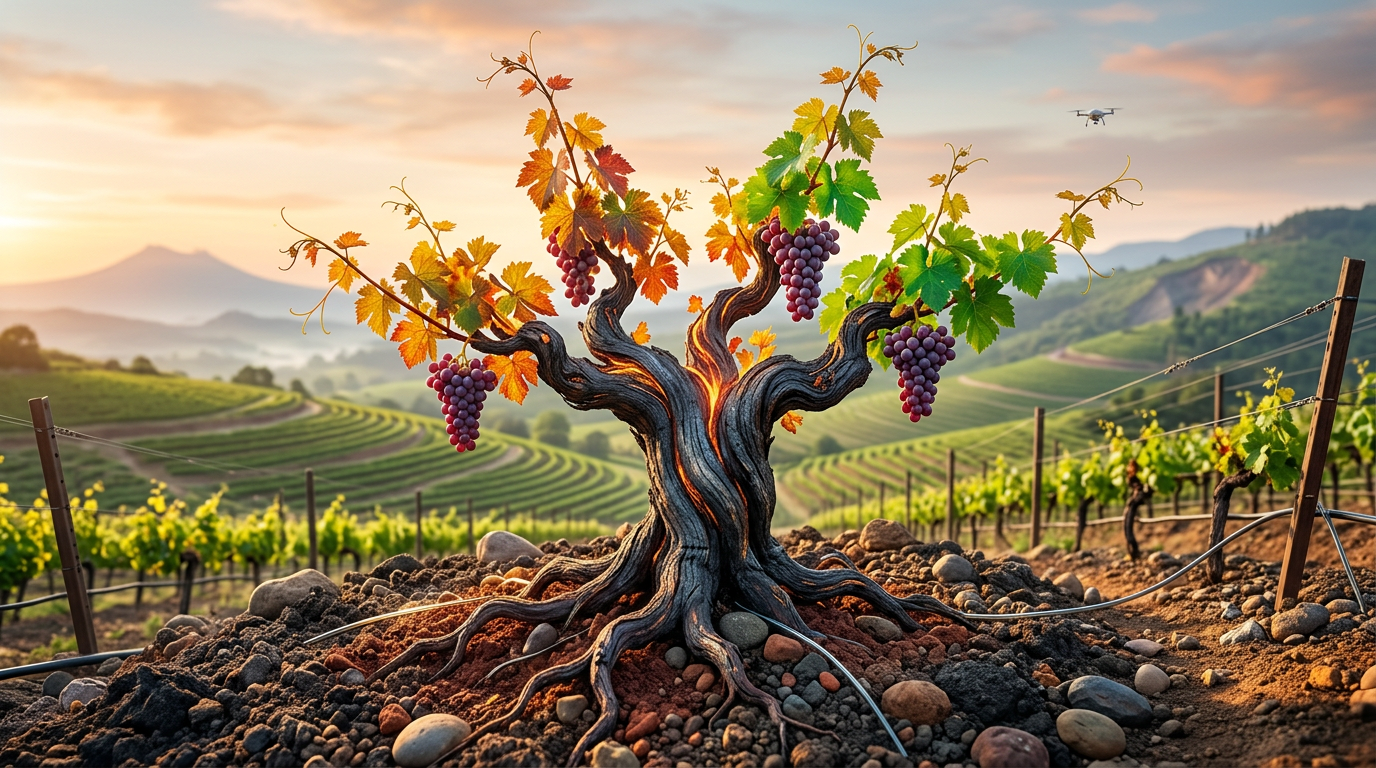
The Art of the Vinous Nomad: Exploring Pop-Up Wineries and Urban Viticulture in 2026
The wine industry is evolving rapidly in 2026, with pop-up wineries and urban viticulture leading the way. This innovative trend brings the art of winemaking directly to consumers in unexpected city locations, changing how we experience and enjoy wine. Dive into the fascinating transformation of the vinous landscape.


The Art of the Vinous Nomad: Exploring Pop-Up Wineries and Urban Viticulture in 2026
The world of wine is undergoing a fascinating transformation, with innovative approaches challenging traditional vineyard models. One such phenomenon gaining significant traction is the rise of pop-up wineries and the burgeoning movement of Urban Viticulture 2026. This exciting trend brings winemaking closer to consumers, often transforming unexpected urban spaces into vibrant hubs for production, education, and tasting. As of 2026, urban viticulture is no longer a niche concept but a growing force reshaping how we perceive and interact with wine. This article delves into the intricacies of this movement, exploring its unique characteristics, challenges, and the incredible opportunities it presents for both producers and enthusiasts.
For a deeper understanding of how modern technology and environmental factors influence wine, consider exploring The Art of the Vinous Pulse: Decoding the Rhythms of Vineyard Health and Terroir in 2026.
The Evolution of Urban Viticulture 2026: From Rooftops to Revitalization
Urban viticulture represents a dynamic shift in the wine industry, moving grape cultivation and winemaking operations from rural landscapes into cities. This isn't just about planting a few vines; it's about establishing fully functional wineries within metropolitan areas, ranging from rooftop vineyards to repurposed industrial buildings. In 2026, we are witnessing a maturation of these concepts, with improved technology and sustainable practices making urban winemaking more viable than ever before. This echoes the broader trend across the industry to innovate and adapt, much like in The Art of the Winemaker's Signature: Decoding Personal Style and Innovation in 2026's Finest Vintages.
The motivations behind this urban migration are multifaceted. For many, it's about accessibility and demystifying the winemaking process. City dwellers can now experience the journey from grape to glass without leaving their neighborhoods. For producers, it offers a closer connection to their market and opportunities for innovative brand building.
Technological Advances Driving Urban Viticulture
- Hydroponics and Aeroponics: Advanced cultivation techniques allow for efficient grape growing in constrained urban environments, requiring less space and water.
- Vertical Farming Solutions: Multi-tiered systems optimize space utilization, making even small plots productive.
- Precision Fermentation Control: State-of-the-art climate control and monitoring systems ensure consistent quality in non-traditional winery settings.
- Sustainable Water Management: Rainwater harvesting and greywater recycling are becoming standard practices, addressing environmental concerns in urban settings.
Community Engagement and Educational Opportunities
One of the most compelling aspects of Urban Viticulture 2026 is its ability to foster community engagement. These wineries often become local landmarks, offering educational workshops, tasting events, and even opportunities for residents to participate in harvests. This direct interaction helps build a deeper appreciation for wine and the craft behind it. Schools and universities are also partnering with urban wineries to offer hands-on learning experiences in agriculture and enology. Such community engagement also plays a role in The Art of Vinous Diplomacy: How Wine Forges International Ties and Cultural Exchange in 2026.
The Rise of Pop-Up Wineries: A Flexible Future for Winemaking
Parallel to the growth of established urban wineries, pop-up wineries are carving out their own unique space. These transient operations embody the spirit of the "vinous nomad," appearing in unexpected locations for limited durations. From vacant storefronts to bustling market squares, these temporary installations offer a fresh and exciting way to introduce wine to new audiences. In 2026, pop-up wineries are celebrated for their adaptability and ability to create memorable, experiential marketing opportunities.
Pop-up wineries often focus on smaller batch productions, showcasing experimental wines or collaborations with local artists and chefs. This agility allows them to respond quickly to market trends and cater to specific events or themes. Their temporary nature also reduces overhead costs, making them an attractive option for emerging winemakers or those looking to test new concepts without significant long-term commitments.
Key Features of Successful Pop-Up Wineries
- Unique Locations: Choosing unconventional spots that generate buzz and draw in foot traffic.
- Curated Experiences: Offering more than just a tasting; often incorporating food pairings, live music, or art installations.
- Limited-Edition Releases: Creating an exclusive feel with small batches of wine not available elsewhere.
- Strong Social Media Presence: Leveraging digital platforms to announce locations, schedules, and special events.
For more insights into creating compelling wine experiences, one might consider lessons from The Art of the 'Vinous Echo Chamber': Navigating the Influencer Economy and Wine Media in 2026.
Challenges and Innovations in Urban Winemaking
While the allure of urban viticulture is undeniable, it comes with its own set of challenges. Space constraints, regulatory hurdles, and climate control are significant considerations. However, innovation is at the heart of this movement, and producers are finding clever ways to overcome these obstacles, pushing the boundaries of what's possible in winemaking.
One of the primary challenges for Urban Viticulture 2026 is the sourcing of high-quality grapes. While some urban wineries manage their own vineyards, many rely on partnerships with rural growers, transporting grapes to their city facilities for fermentation and aging. This logistics aspect requires careful planning and coordination to maintain grape integrity, a process that can be as intricate as The Art of the 'Vinous Blockchain': Revolutionizing Wine Provenance and Authenticity in 2026 seeks to solve for authenticity.
Overcoming Regulatory Hurdles
City planning and zoning laws, traditionally designed for industrial or residential use, often don't account for agricultural or winemaking activities. Urban viticulture proponents are actively working with local governments to adapt regulations, advocating for specific zoning exceptions and permits that recognize the unique nature of their operations. This collaboration is crucial for the continued expansion of the sector. For more information on policy and urban planning for green spaces, consider resources like the U.S. Environmental Protection Agency (EPA) on Green Infrastructure.
The Economic and Environmental Impact of Urban Viticulture 2026
The economic impact of Urban Viticulture 2026 extends beyond direct wine sales. These operations often become anchor businesses in urban revitalization projects, drawing tourists and stimulating local economies. They create new jobs, from viticulturists and winemakers to tasting room staff and event planners. Furthermore, by transforming underutilized urban spaces, they contribute to the aesthetic and functional improvement of city environments.
From an environmental perspective, urban wineries can offer several benefits. Reduced transportation distances for consumers often lead to a lower carbon footprint. Many urban viticulture projects emphasize sustainable practices, such as organic farming, water conservation, and waste reduction. By bringing agriculture into the city, they also contribute to urban greening initiatives and biodiversity. For broader context on sustainable urban development, consult reports from organizations such as the UN-Habitat.
Sustainability at the Core
- Reduced Carbon Footprint: Minimizing transportation of grapes and finished products.
- Water Efficiency: Employing drip irrigation, recycled water, and smart sensors.
- Waste Management: Composting pomace and other winemaking byproducts for urban gardens.
- Local Sourcing: Prioritizing materials and services from within the city or region.
These sustainable practices align with current global efforts. Further research into how cities globally are embracing green initiatives can be found via the C40 Cities Climate Leadership Group.
As we look forward, Urban Viticulture 2026 is poised to continue its upward trajectory, integrating ever more seamlessly into the fabric of our cities. It represents more than just a trend; it's a testament to human ingenuity and a desire to connect deeper with the products we consume. For wine enthusiasts and industry professionals alike, this movement promises a future where the art of winemaking is truly at our fingertips, vibrant, accessible, and endlessly innovative.
Written by
Juniper Thorne is an experienced writer and educator with a deep passion for the world of wine. Bringing expertise in sensory analysis and wine culture to the Greatest Wine platform, Juniper helps readers explore and appreciate every nuance of wine.
Related Articles

The Vinous Verse: How Wine's Spirit Inspires 2026's Poetic and Literary Masterpieces
The intricate dance between the grape and the written word has enchanted humanity for millennia. Explore the profound connection between wine and literature, from ancient musings to 2026's contemporary narratives and poetic masterpieces. Discover how the world of wine continually inspires writers.
Juniper Thorne