The Art of the 'Cognitive Terroir': How Our Brains Sculpt Wine Perception in 2026
In 2026, while traditional terroir considers soil and climate, the emerging concept of 'cognitive terroir' focuses on how individual brains, with their unique histories and biases, profoundly influence our perception of wine. This article delves into the fascinating interplay between neuroscience and oenology.

The Art of the 'Cognitive Terroir': How Our Brains Sculpt Wine Perception in 2026
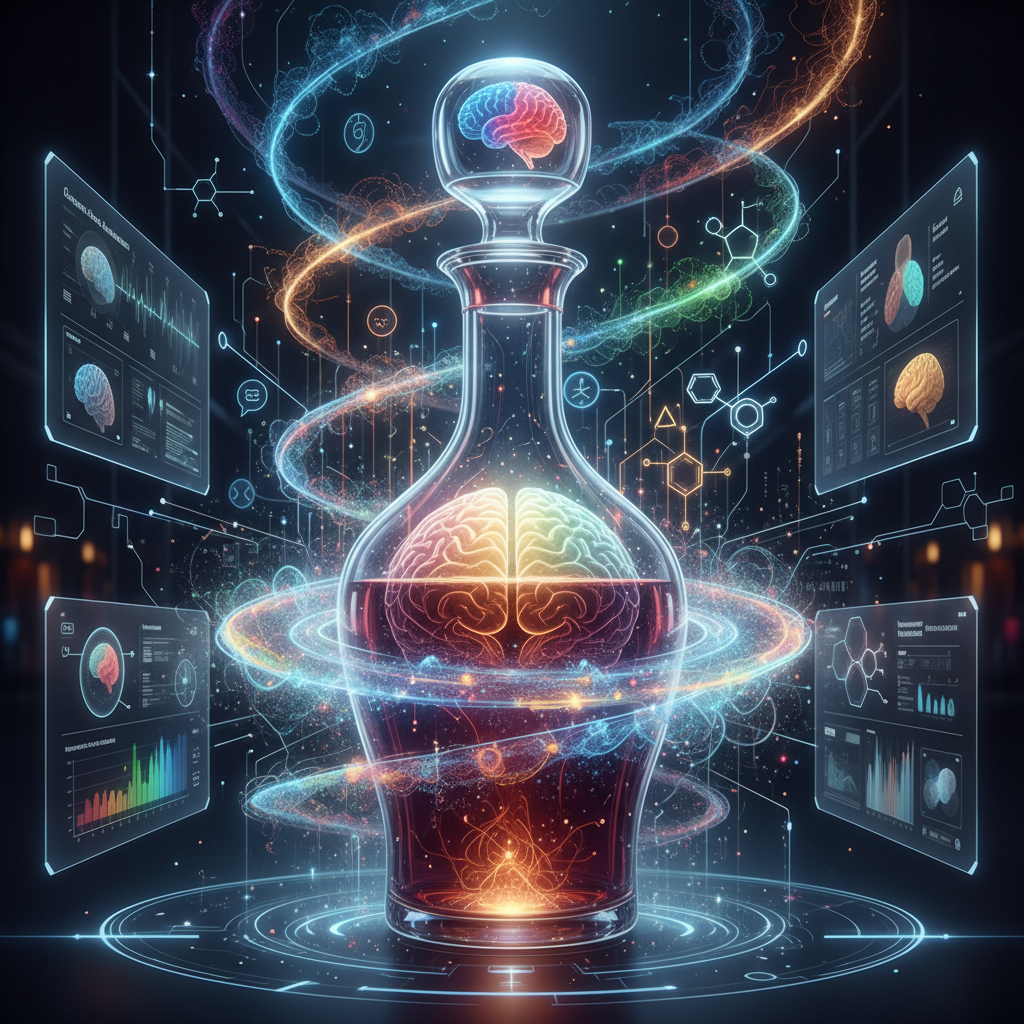
In the intricate world of wine appreciation, we often focus on tangible factors like soil composition, climate, grape varietals, and winemaking techniques – all contributing to what is traditionally known as terroir. However, a fascinating and increasingly recognized concept in 2026 is the cognitive terroir: how our individual brains, with their unique histories, biases, and sensory processing capabilities, profoundly sculpt our perception and enjoyment of wine. This transcends simple physiological tasting; it delves into the psychological, emotional, and even environmental elements that influence every sip.
Unveiling the Layers of Cognitive Terroir
The term cognitive terroir suggests that our internal landscape is just as crucial as the vineyard's external environment. Every individual experiences wine differently, and this isn't just about whether you prefer red over white. It's about the intricate interplay of memory, expectation, emotion, and context that shapes your unique tasting profile. Understanding this concept is key to truly mastering wine appreciation in 2026.
The Role of Memory and Expectation
Our brains are powerful prediction machines. When we approach a glass of wine, our past experiences instantly kick in. A prestigious label, a high price tag, or even a story about the wine's origin can trigger expectations that significantly alter our sensory perception. Studies in 2026 continue to demonstrate how these pre-conceived notions can enhance or diminish perceived quality, even when tasting the identical wine blindfolded. This aligns with principles explored in The Art of the 'Cognitive Vintage': Mastering the Psychology of Wine Expectation in 2026.
- Label Influence: A grand cru label can make a mediocre wine seem better, while an unassuming one might lead to underestimation.
- Price Effect: The belief that expensive wine tastes better is a well-documented phenomenon impacting perceived aroma, flavor, and mouthfeel, often discussed in behavioral economics. For more on this, you might explore research on the neurobiology of pleasure from expensive wine.
- Prior Experiences: A negative past experience with a certain grape varietal can bias your current tasting, even if the new wine is excellent.
The Impact of Emotional State
Our mood state profoundly influences sensory perception. Joy, stress, relaxation, or excitement can all serve as part of our personal cognitive terroir. A wine tasted during a celebratory moment might be perceived as more vibrant and enjoyable than the same wine consumed during a moment of sadness or distraction.
Furthermore, emotional responses to certain aromas – for instance, a scent reminiscent of a childhood memory – can trigger powerful feelings that contribute to the overall wine experience, making it deeply personal and unique. For deeper insights into the complex emotional landscape of wine, consider The Art of the Vinous Philosopher: Deconstructing Wine's Existential Journey from Vine to Spirit in 2026.
Sensory Adaptation and the Cognitive Terroir
Our sensory systems are constantly adapting. This adaptation plays a vital role in how we perceive wine over time. Continuous exposure to certain flavors or aromas can lead to desensitization, while a break can heighten sensitivity. This dynamic process is a core component of your evolving cognitive terroir.
The Phenomenon of Olfactory Fatigue
When repeatedly smelling a specific aroma, our olfactory receptors can become fatigued, leading to a diminished perception of that smell. This is why professional tasters often take breaks or smell neutral substances between wines. Understanding this highlights the importance of mindful tasting practices for both amateurs and professional sommelier alike, as outlined by organizations like the Court of Master Sommeliers.
Taste Adaptation
Similarly, prolonged exposure to certain tastes (e.g., sweetness, bitterness) can alter subsequent taste perceptions. A highly acidic wine might seem less so after consuming a super-sweet dessert, illustrating the dynamic nature of our taste buds and brain's interpretation.
Contextual Factors Shaping Your Wine Perception
The environment in which wine is consumed is another powerful ingredient in the cognitive terroir. It encompasses everything from the physical surroundings to the company you keep, affecting both objective perception and subjective enjoyment. Many wine enthusiasts in 2026 are increasingly aware of these subtle influences.
- Ambiance: A dimly lit, noisy restaurant versus a quiet, sun-drenched vineyard can drastically change the perceived quality.
- Company: Sharing a special bottle with loved ones or engaging in insightful conversation can elevate the tasting experience beyond the wine itself.
- Food Pairing: A well-chosen wine and food pairing creates synergistic effects, enhancing flavors and textures for both, a crucial aspect explored in depth on Greatest Wine. Refer to The Art of the Vinous Synchronicity: Mastering Wine and Event Pairing for 2026's Unforgettable Moments for more.
- Glassware: The shape and quality of the glass direct aromas and liquids to specific parts of the palate, influencing perception, a topic expertly covered by sources like Riedel's sensory workshops.
Cultivating Your Personal Cognitive Terroir for Enhanced Enjoyment
Understanding the concept of cognitive terroir isn't just academic; it's a practical tool for enriching your wine journey. By recognizing these internal and external influences, you can consciously work to optimize your wine tasting experiences in 2026 and beyond.
Mindful Tasting Practices
Engaging in mindful tasting means paying full attention to the wine without letting external distractions or internal biases dominate. This practice helps to strip away some of the non-wine related influences and focus on the inherent characteristics of the beverage.
To cultivate mindful tasting, consider these steps:
- Minimize Distractions: Find a quiet, well-lit space.
- Control Expectations: Try blind tasting or approach new wines with an open mind, irrespective of brand or price.
- Engage All Senses: Observe, smell, sip, and savor, noting every detail.
- Reflect: Take notes on your perceptions before consulting external information.
Expanding Your Sensory Vocabulary
The ability to articulate your perceptions enhances your experience and solidifies your cognitive terroir. Learning specific descriptors for aromas, flavors, and textures helps your brain categorize and recall sensations more effectively. Greatest Wine offers comprehensive resources on sensory analysis techniques and tasting notes to guide you, including valuable insights from The Art of the 'Vinous Rosetta Stone': Decoding Cross-Cultural Wine Language and Sensory Interpretation in 2026.
The Future of Wine Appreciation and Cognitive Terroir in 2026
As we move further into 2026, the scientific understanding of the brain's role in sensory perception continues to evolve. Research into neurogastronomy, which explores how the brain creates flavor, will undoubtedly shed more light on the sophisticated mechanisms behind our individual cognitive terroir. This will lead to even more personalized recommendations and potentially new ways to enhance wine experiences.
The wine industry is also taking notice. Winemakers are not only focused on crafting exceptional wines but also on understanding how consumers experience them. Marketing strategies are increasingly incorporating elements that appeal to emotional and psychological factors, recognizing that the journey from bottle to palate is a complex one, deeply rooted in each individual's unique cognitive landscape. This is a topic further explored in The Art of the 'Vinous Data Whisperer': Mastering AI for Personalized Wine Discovery in 2026.
Ultimately, by appreciating both the traditional terroir and the personal cognitive terroir, we unlock a richer, more profound way to connect with and enjoy wine. It's a journey into both the vineyard and the mind, and in 2026, it's more exciting than ever.
Written by
Juniper Thorne is an experienced writer and educator with a deep passion for the world of wine. Bringing expertise in sensory analysis and wine culture to the Greatest Wine platform, Juniper helps readers explore and appreciate every nuance of wine.
Related Articles
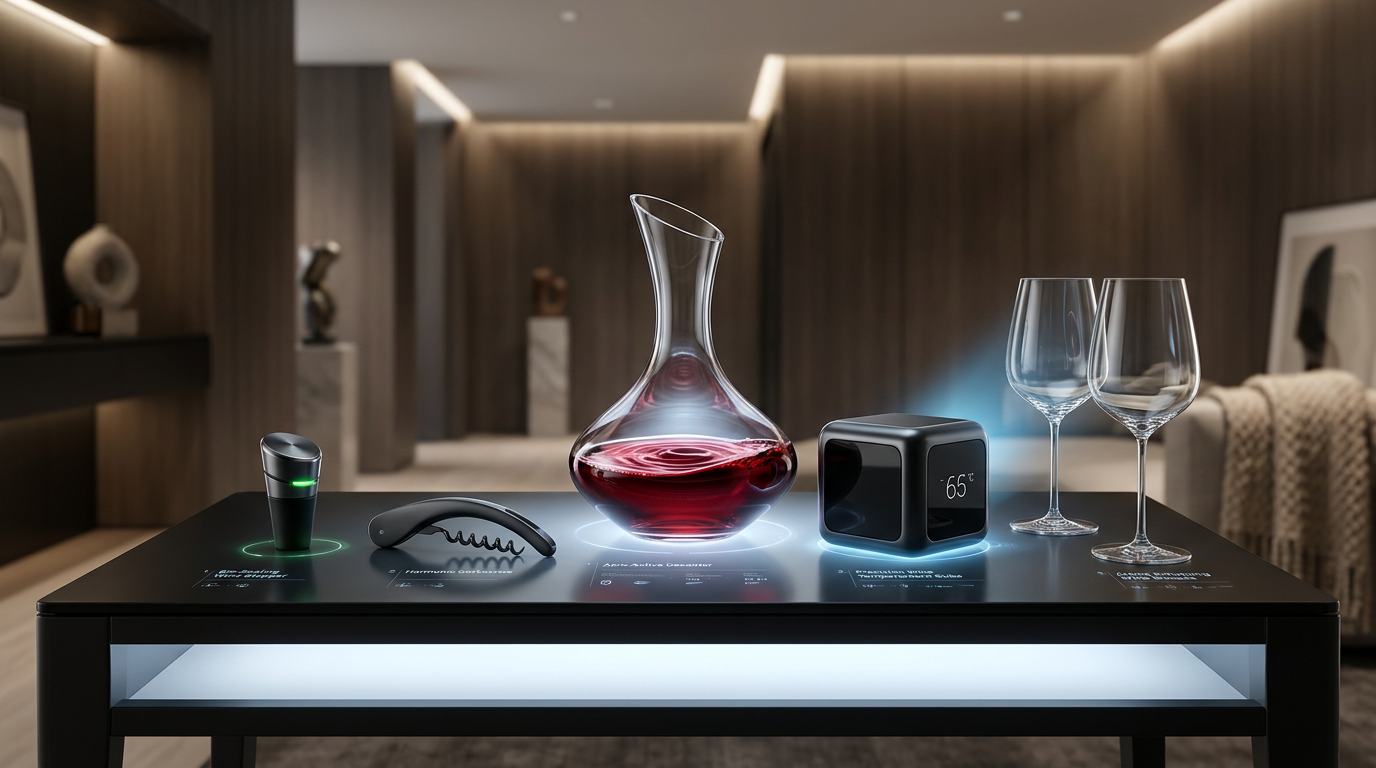
The Vinous Arsenal: Essential Tools for Elevating Your Wine Experience in 2026
As we navigate May 2026, the world of wine continues to evolve, offering enthusiasts unprecedented tools. Discover the essential wine accessories for 2026 that will elevate your enjoyment, from innovative aerators to smart preservation systems. Upgrade your vinous arsenal today with Greatest Wine.
Juniper Thorne