The Art of the Vinous Philosopher: Deconstructing Wine's Existential Journey from Vine to Spirit in 2026
In the evolving landscape of 2026, understanding wine philosophy transcends mere tasting notes; it delves into the very soul of winemaking and consumption. This article aims to unravel the intricate tapestry that connects the earth, the vine, the human hand, and the glass, exploring the deeper existential journey.

Wine Philosophy 2026: Deconstructing Wine's Existential Journey
In the evolving landscape of 2026, understanding wine philosophy 2026 transcends mere tasting notes; it delves into the very soul of winemaking and consumption. This article on Greatest Wine aims to unravel the intricate tapestry that connects the earth, the vine, the human hand, and the glass, exploring the deeper existential journey of wine. We'll explore how the core tenets of wine appreciation are shifting, reflecting a global desire for authenticity and connection in every sip. It's about moving beyond the superficial, understanding the 'why' behind the 'what,' and embracing wine as a living, breathing entity with stories to tell. For a deeper dive into how individual perception shapes this experience, consider the concept of Cognitive Vintage.
The Evolving Essence of Wine Philosophy 2026
The year 2026 marks a significant period in the world of wine, characterized by a heightened awareness of sustainability, terroir, and the ethical implications of production. This influences the core principles of wine philosophy 2026, pushing enthusiasts to consider not just taste, but also impact. The pursuit of knowledge about wine has become more holistic, encompassing environmental concerns, social responsibility, and cultural heritage.
Terroir: More Than Just Soil
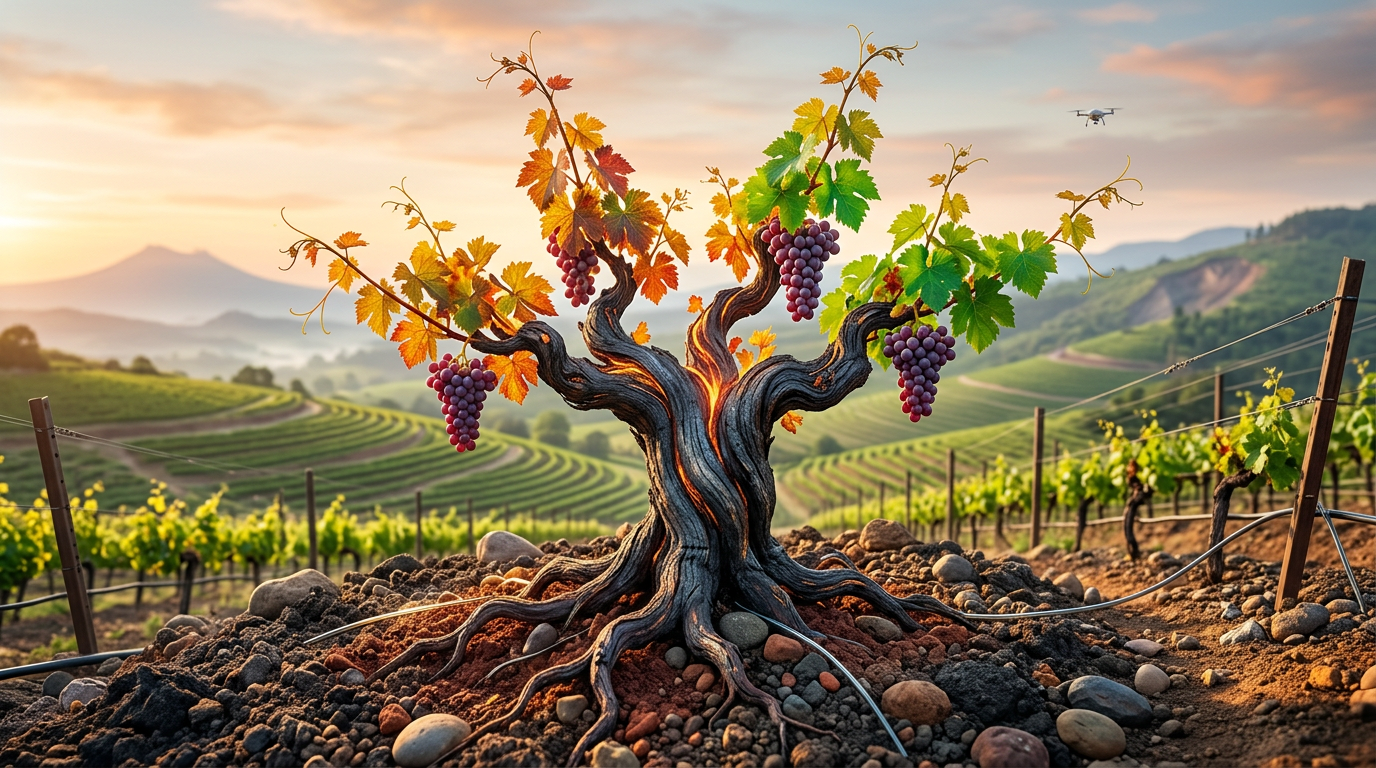
Terroir, a cornerstone of traditional wine philosophy, is being re-evaluated in 2026. It's no longer just about the geological composition or microclimate. Today, terroir includes the human element – the generations of winemakers who have tended the land, their traditions, and their respect for the ecosystem. This broader definition enriches our understanding of each wine's unique identity. For an intriguing perspective on how external factors influence this, explore The Art of the 'Vinous Nebula': Deconstructing the Cosmic Influences on Terroir in 2026.
- Geological Composition: Understanding how soil types influence mineral uptake and vine health.
- Microclimate: The subtle interplay of sun exposure, rainfall, and temperature variations unique to a specific vineyard.
- Human Element: The historical practices and generational knowledge passed down through winemaking families.
- Biodiversity: The role of surrounding flora and fauna in creating a balanced vineyard ecosystem.
The Rise of Ethical Consumption in Wine Philosophy 2026
Consumers in 2026 are increasingly conscious of where their wine comes from and how it’s produced. This shift towards ethical consumption is a vital component of modern wine philosophy 2026. Biodynamic, organic, and natural wines are gaining significant traction, not just for their perceived health benefits, but also for their commitment to sustainable and environmentally friendly practices. Transparency in labeling and production methods is highly valued. A fascinating aspect of this shift comes from innovations in The Art of the 'Vinous Micro-Biome': Crafting Terroir Through Engineered Yeast and Bacterial Cultures in 2026.
Exploring wine philosophy 2026 means understanding the narrative behind each bottle – the story of the land, the people, and the commitment to a better future.
Decoding Sensory Narratives: The Role of Tasting in Wine Philosophy 2026
Tasting wine is an art form, a sensory journey that directly informs our wine philosophy 2026. It's not merely about identifying flavors; it's about interpreting the language of the wine. Every aroma, every textural sensation, points to its origin, its journey, and its inherent character. At Greatest Wine, we emphasize comprehensive sensory analysis, encouraging our readers to delve deeper than surface-level appreciation. This involves understanding how our brains process these sensations, a topic further explored in The Art of the 'Cognitive Blend': How Our Brains Harmonize Wine Flavors in 2026.
Mastering the Art of Sensory Analysis
To truly appreciate wine, one must engage all senses. Visual cues, aromatic complexities, and palate sensations all contribute to a holistic understanding. Learning to identify these elements systematically allows for a more profound connection to the wine.
- Visual Inspection: Observing clarity, color, and viscosity provides initial clues about age and grape variety.
- Aromatic Exploration: Swirling the wine to release volatile compounds, identifying primary (grape-derived), secondary (fermentation-derived), and tertiary (aging-derived) aromas. For more on deciphering these subtle cues, see The Art of the Vinous Cipher: Decoding Hidden Messages in Wine Aromas for 2026.
- Palate Evaluation: Assessing sweetness, acidity, tannin, alcohol, and body, as well as the length of the finish.
- Reflecting and Documenting: Recording observations to build a personal library of wine experiences and preferences. This forms a crucial part of developing your personal wine philosophy 2026.
Our guides delve into techniques for identifying common faults, recognizing stylistic differences, and articulating your tasting experience with precision. This precision is essential for anyone wishing to truly embed themselves in wine philosophy 2026.
Wine as Culture: Global Trends and Traditions in Wine Philosophy 2026
Wine philosophy 2026 is inextricably linked to global wine culture. The interconnectedness of our world means that trends from one region can rapidly influence others, while ancient traditions continue to provide a foundation for contemporary winemaking. International wine festivals, tastings, and vineyard events are pivotal in sharing these diverse perspectives and evolving narratives.
Embracing Diverse Wine Regions
Beyond the classic powerhouses like France and Italy, 2026 sees a growing appreciation for wines from emerging regions. From the high-altitude vineyards of Georgia to the innovative producers in China, each region offers a unique expression of grape varietals and winemaking traditions. This global expansion enriches the tapestry of wine culture and broadens our collective wine philosophy 2026. For an insightful look at broader preferences, consult The Art of the Vinous Palate: Deconstructing Global Flavor Preferences in 2026.
Understanding these cultural nuances adds layers to our appreciation. For instance, the Georgian Qvevri method of fermentation, an ancient tradition, is experiencing a global resurgence, captivating natural wine enthusiasts worldwide in 2026. This revival of historical practices is part of a larger trend, as explored by the Greater Cultural Institute's research on wine heritage.
The Social Dimension of Wine
Wine has always been a social lubricant, a catalyst for conversation and celebration. In 2026, its role in community building and shared experiences is more pronounced than ever. Wine clubs, virtual tastings, and vineyard tours offer opportunities for enthusiasts to connect, learn, and share their passions. This communal aspect is fundamental to the holistic wine philosophy 2026. It's about moments shared, stories exchanged, and memories created over a glass.
The Future of Wine: Innovation and Legacy in Wine Philosophy 2026
As we advance deeper into 2026, the wine industry stands at an exciting crossroads of innovation and tradition. The wine philosophy 2026 embraces technological advancements while fiercely protecting the legacy of centuries-old practices. This dynamic interplay ensures both progress and preservation.
Technological Advancements in Winemaking
From precision viticulture using drones and AI to advanced fermentation monitoring systems, technology is revolutionizing wine production. These innovations help winemakers achieve greater consistency, optimize resource use, and gain deeper insights into their vineyards. However, the best technology serves to enhance, not replace, the artistry of the winemaker, reinforcing the human connection that defines wine philosophy 2026. Further insights into sustainable vineyard management can be found through organizations like the Sustainable Winegrowing Alliance.
Preserving Heritage and Indigenous Varietals
Amidst innovation, there's a strong movement to preserve indigenous grape varietals and traditional winemaking techniques. These often represent a crucial link to a region's history and biodiversity. Efforts to revive forgotten grapes and ancient methods are a testament to the industry's commitment to its heritage, solidifying a balanced wine philosophy 2026 that respects both past and future. Dive deeper into these revival efforts with The Art of the Vinous Renaissance: Reviving Nearly Extinct Local Grape Varieties for 2026's Authentic Terroir.
At Greatest Wine, we believe that understanding this balance is key to truly appreciating the depth and breadth of the wine world. Our content explores these fascinating developments, offering insights into the pioneers blending old and new.
Uncorking the Self: Wine as a Path to Greater Understanding in Wine Philosophy 2026
Ultimately, wine philosophy 2026 is about more than just the beverage itself; it's a vehicle for self-discovery and a deeper understanding of the world around us. Each bottle holds a narrative, a reflection of its environment and the hands that crafted it. By engaging with wine thoughtfully, we embark on an intellectual and emotional journey.
From the meticulous process of vinification to the subjective experience of tasting, wine invites contemplation. It encourages us to slow down, to engage our senses, and to appreciate the complexities of nature and human endeavor. This reflective aspect is a cornerstone of the profound wine philosophy 2026 we advocate. For a mindful approach to this journey, consider exploring The Art of Vinous Contemplation: Cultivating Mindfulness Through Wine in 2026.
Whether you're a seasoned connoisseur or a curious newcomer, the world of wine offers endless opportunities for learning and enjoyment. Through detailed tasting guides, explorations of global wine culture, and insights into sustainable practices, Greatest Wine aims to be your trusted companion on this enriching journey. Immerse yourself in the art of the vinous philosopher and truly deconstruct wine’s existential journey from vine to spirit in 2026.
Written by
Juniper Thorne is an experienced writer and educator with a deep passion for the world of wine. Bringing expertise in sensory analysis and wine culture to the Greatest Wine platform, Juniper helps readers explore and appreciate every nuance of wine.
Related Articles
The Vinous Verse: How Wine's Spirit Inspires 2026's Poetic and Literary Masterpieces
The intricate dance between the grape and the written word has enchanted humanity for millennia. Explore the profound connection between wine and literature, from ancient musings to 2026's contemporary narratives and poetic masterpieces. Discover how the world of wine continually inspires writers.
Juniper Thorne