The Art of the 'Vinous Biopsy': Unveiling the Microscopic Narratives of Pre-Fermentation Grapes in 2026
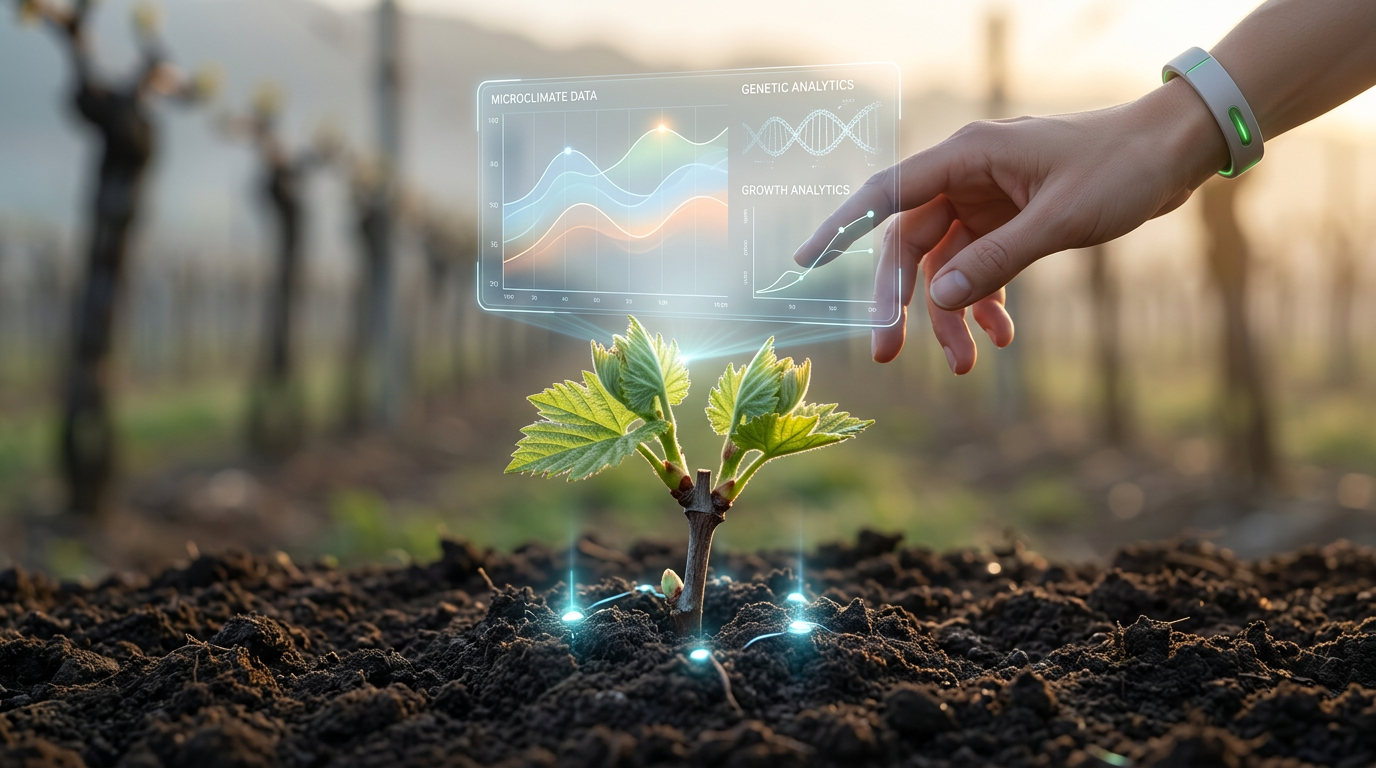
In 2026, winemakers are increasingly leveraging the 'vinous biopsy' – a microscopic analysis of pre-fermentation grapes – to understand flavor potential. This technique, combining science and artistry, offers unparalleled insights into the building blocks of an upcoming vintage, guiding crucial decisions.

The Art of the 'Vinous Biopsy': Unveiling the Microscopic Narratives of Pre-Fermentation Grapes in 2026
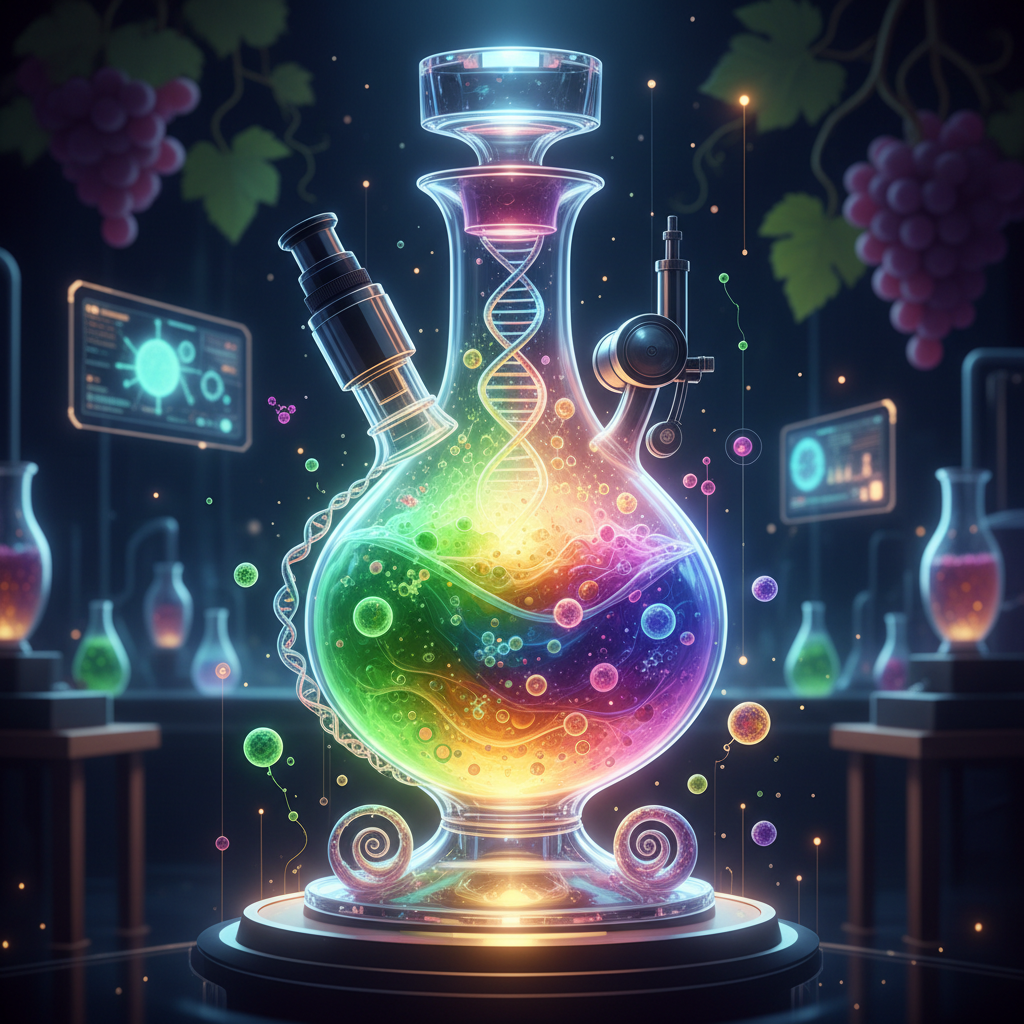
In the intricate world of winemaking, where science meets artistry, understanding the very building blocks of flavor is paramount. This deep dive into the microscopic realm of pre-fermentation grapes, often referred to as a vinous biopsy, offers unparalleled insights into the potential of an upcoming vintage. As we move through 2026, winemakers are increasingly leveraging advanced analytical techniques to preemptively identify characteristics that will define the final product, allowing for nuanced adjustments long before fermentation even begins.
For those interested in the broader impact of human endeavors on viticulture, consider exploring The Art of the Vinous Anthropocene: Decoding Humanity's Indelible Mark on Wine in 2026.
What is a Vinous Biopsy and Why is it Crucial in 2026?
A vinous biopsy goes beyond simple Brix measurements or pH levels. It encapsulates a comprehensive microscopic examination and chemical analysis of grape berries and their components – skins, pulp, and seeds – prior to crushing. This detailed investigation reveals a wealth of information about grape maturity, potential flavor compounds, phenolic ripeness, and the overall physiological health of the fruit.
In 2026, with climate change posing ever-evolving challenges and consumer palates demanding greater complexity and authenticity, proactive vineyard management is more critical than ever. The insights gleaned from a systematic vinous biopsy provide winemakers with a significant advantage, enabling them to make informed decisions that influence everything from harvest timing to fermentation strategies.
Understanding these granular details can even inform advanced techniques like those explored in The Art of the 'Vinous Micro-Biome': Crafting Terroir Through Engineered Yeast and Bacterial Cultures in 2026.
The Science Behind the Microscopic Examination
- Skin Analysis: Examination of skin thickness, cell structure, and anthocyanin development, crucial for color and tannin extraction.
- Pulp Assessment: Analysis of sugar distribution, organic acid profiles, and the integrity of the cell walls.
- Seed Ripeness: Microscopic evaluation for lignification and tannin polymerization, directly impacting astringency and mouthfeel.
- Berry Maceration Simulation: Small-scale tests to predict extraction potential.
These detailed observations, combined with chemical assays, paint a comprehensive picture of the grape's internal state, informing decisions that will profoundly shape the wine's character.
The Evolving Techniques of Pre-Fermentation Grape Analysis
The methodologies for performing a vinous biopsy have advanced significantly over the past decade. What once involved rudimentary visual checks now incorporates sophisticated laboratory techniques and even field-based spectral analysis. Winemakers are embracing cutting-edge tools to gain a granular understanding of their raw material.
Modern Tools for a Precise Vinous Biopsy
- Near-Infrared Spectroscopy (NIR): Rapid, non-destructive analysis performed directly in the vineyard or lab to assess sugar, acid, and phenolic levels.
- HPLC (High-Performance Liquid Chromatography): Used to quantify individual anthocyanins, tannins, and other phenolic compounds, offering insights into color stability and bitterness.
- GC-MS (Gas Chromatography-Mass Spectrometry): Identifies volatile aroma precursors in the grape, giving a peek into the wine's potential aromatic profile.
- Microscopy with Image Analysis: Advanced digital microscopy allows for precise measurement of cell size, vacuole integrity, and the distribution of internal components.
- DNA Sequencing: In some research-focused applications, even microbial populations on grape skins are being analyzed to understand their potential impact on spontaneous fermentation.
These tools, when used in concert, create an unprecedented data set that empowers winemakers to predict and guide the wine's development with remarkable accuracy. The era of guesswork is steadily being replaced by data-driven decisions, thanks to the thoroughness of a modern vinous biopsy. For more on how science is influencing vineyard management, refer to The Art of the 'Vinous Metronome': Synchronizing Lunar Cycles and Vineyard Rhythms for 2026's Biodynamic Precision.
Impacts of a Thorough Vinous Biopsy on Winemaking Decisions
The information derived from a detailed vinous biopsy has far-reaching implications across the entire winemaking process. From the moment grapes are picked to how they are ultimately bottled, every decision can be optimized based on this initial assessment. This proactive approach significantly enhances quality control and stylistic consistency.
Key Decisions Influenced by the Vinous Biopsy
- Optimal Harvest Timing: Moving beyond simple sugar ripeness to physiological and phenolic ripeness ensures a balanced wine. The vinous biopsy can pinpoint the exact moment where all components are in harmony.
- Maceration Strategy: Understanding skin thickness and tannin structure helps determine the ideal duration and intensity of skin contact during fermentation, impacting color, body, and tannin extraction.
- Enzyme and Yeast Selection: Knowing the grape's internal chemistry guides the choice of specific enzymes for desired extraction, and yeast strains that best suit the available nutrient profile.
- Cap Management Techniques: Insights into seed ripeness dictate Pigeage (punch down) or Remontage (pump over) frequency and intensity, minimizing harsh tannin extraction from immature seeds.
- Blending Decisions: Even before fermentation, winemakers can project the characteristics of different vineyard blocks, aiding early blending considerations.
- Fermentation Temperature Control: Understanding sugar concentration and potential alcohol levels helps in setting optimal fermentation temperatures to prevent sluggish or stuck fermentations.
By investing in a meticulous vinous biopsy, winemakers are not just reacting to the grapes; they are actively shaping their destiny, ensuring the finest possible expression of the vintage.
Case Studies: Vinous Biopsy in Action in 2026
Across diverse wine regions, from the sun-drenched valleys of Napa to the cool climes of Burgundy, leading wineries are integrating the vinous biopsy into their annual protocols. These real-world applications highlight the tangible benefits of detailed pre-fermentation analysis.
Examples from Leading Wineries
- Bordeaux Châteaux: In 2026, many prominent Bordeaux estates are utilizing advanced phenolic assays as a standard component of their vinous biopsy. This allows them to finely tune their extraction techniques, producing wines with greater longevity and balance, especially crucial in vintages marked by unpredictable weather patterns.
- Australian Innovators: Wineries in regions like Barossa and McLaren Vale are employing NIR spectroscopy in the vineyard to monitor ripening progression in real-time. This dynamic approach, part of their extended vinous biopsy, helps mitigate the challenges of drought and heat spikes, ensuring optimal fruit quality.
- Oregon Pinot Noir Producers: For delicate varietals like Pinot Noir, understanding cellular integrity and anthocyanin distribution through microscopic analysis is vital. Oregon winemakers use this information from their vinous biopsy to gently manage extraction and preserve the varietal's fresh fruit characteristics.
- Italian Artisans: In Tuscany and Piedmont, producers of Sangiovese and Nebbiolo are pairing traditional tasting methods with GC-MS analysis during their vinous biopsy to identify key volatile compounds. This helps them enhance the characteristic aromatic profiles of their iconic wines, staying true to terroir while optimizing quality.
These examples illustrate that the vinous biopsy is not just a theoretical concept but a practical, indispensable tool for producing world-class wines in the competitive and challenging landscape of 2026. It underscores Greatest Wine's commitment to exploring the depth and detail of winemaking, far beyond the surface. Further insights into analytical techniques can be found in resources like Journal of Agricultural and Food Chemistry, which frequently publishes on these topics.
The Future of Precision Viticulture and the Vinous Biopsy
Looking ahead, the practice of the vinous biopsy is set to become even more sophisticated and integrated into precision viticulture. The convergence of AI, big data analytics, and advanced sensor technology promises to revolutionize how winemakers understand and interact with their grapes. We anticipate even more comprehensive and predictive analytical capabilities.
Emerging Trends and Technologies
- AI-Powered Predictive Models: Integrating vinous biopsy data with historical climate records and vineyard telemetry to predict grape development and wine quality with AI algorithms.
- Robotic Sampling: Drones and autonomous robots equipped with spectroscopic sensors performing widespread, consistent grape sampling for the vinous biopsy, reducing human error and labor costs.
- Metabolomics: Comprehensive profiling of all metabolites in a grape, offering an unparalleled view into grape physiology and potential flavor development. You can learn more about metabolomics in general from institutions like The Metabolomics Society.
- Blockchain Integration: Tracking all vinous biopsy data on a blockchain to provide immutable records of grape quality and origin, enhancing transparency for consumers. For information on current trends in blockchain adoption in agriculture, consider reports from DTN.
The dedication to detailed analysis, exemplified by the vinous biopsy, is a testament to the relentless pursuit of excellence in winemaking. As technology continues to evolve, the ability to peer deeper into the microscopic narratives of pre-fermentation grapes will only grow, leading to even more exceptional wines in the years to come. This quest for understanding parallels the philosophical journey discussed in The Art of the Vinous Philosopher: Deconstructing Wine's Existential Journey from Vine to Spirit in 2026.
At Greatest Wine, we believe that understanding these intricate processes is key to truly appreciating the magic in every bottle. The vinous biopsy is a perfect example of how science and dedication converge to elevate the art of winemaking to new heights.
Written by
Juniper Thorne is an experienced writer and educator with a deep passion for the world of wine. Bringing expertise in sensory analysis and wine culture to the Greatest Wine platform, Juniper helps readers explore and appreciate every nuance of wine.
Related Articles

The Cellar Architects: Mastering Elite Wine Preservation and Evolution in 2026
For the true connoisseur, wine is more than just a beverage; it's a living entity, an investment, and a passion. Mastering its preservation and evolution is an art form, especially in 2026 with new technologies and insights. Learn how to protect and enhance your cherished collection.
Juniper Thorne