The Art of the Decanted Moment: Elevating Wine Experience Beyond the Bottle in 2026
In 2026, understanding proper wine decanting techniques is crucial for wine enthusiasts looking to elevate their experience beyond mere consumption. This guide explores the vital role of decanting in appreciating a bottle's full potential, moving towards a deeper, more sensory engagement with wine. Learn how to expertly decant and truly savor your wine.

Mastering Wine Decanting Techniques for an Elevated Experience in 2026
In the evolving world of viticulture and oenology, understanding proper wine decanting techniques remains a cornerstone for truly appreciating a bottle's full potential. As we navigate 2026, enthusiasts globally are continually seeking ways to elevate their wine experience, moving beyond mere consumption to a deeper, more sensory engagement. Decanting, far from being an outdated ritual, is a vital practice that transforms certain wines, smoothing rough edges, softening tannins, and allowing complex aromas to unfurl. This comprehensive guide from Greatest Wine will delve into the nuances of decanting, ensuring your next pour is nothing short of extraordinary. For a deeper understanding of wine service, explore Mastering the Art of Wine Service: From Cellar to Glass in 2026.
Understanding the "Why" Behind Wine Decanting Techniques
Before exploring the "how," it's crucial to grasp the fundamental reasons why specific wine decanting techniques are employed. Decanting primarily serves two critical purposes: separation and aeration. Separating sediment from mature wines prevents grittiness in the glass, while aeration allows younger, more robust wines to "breathe," revealing their true character.
When wine ages, especially red wine, natural solids (sediment) can form. These are harmless but can detract from the visual appeal and textural sensation of the wine. Decanting carefully removes these solid particles, ensuring a clear and pleasant drinking experience. For younger wines, particularly those high in tannins, aeration through decanting can significantly improve their drinkability. This process is closely related to how winemakers translate their philosophy through the wine, a concept further explored in The Art of Terroir Translation: Unpacking Winemaker Philosophy and Regional Expression in 2026.
Separating Sediment: The Traditional Approach
For older vintages, sediment removal is paramount. This process requires a steady hand and a keen eye. The goal is to transfer the clear wine into the decanter while leaving the sediment behind in the bottle. This method, while simple in concept, demands patience and precision to execute perfectly.
- Preparation: Allow the bottle to stand upright for 24-48 hours before decanting. This gives the sediment time to settle at the bottom.
- Lighting: Use a light source (a candle or flashlight) held beneath the bottle's neck to clearly see the sediment as you pour.
- Pouring: Pour slowly and steadily into the decanter, without stopping. As you approach the end of the bottle, watch the neck carefully for sediment. Stop pouring once sediment appears near the neck.
- Discarding: The last ounce or two containing the sediment is typically discarded.
Aeration: Unleashing Aromas and Flavors
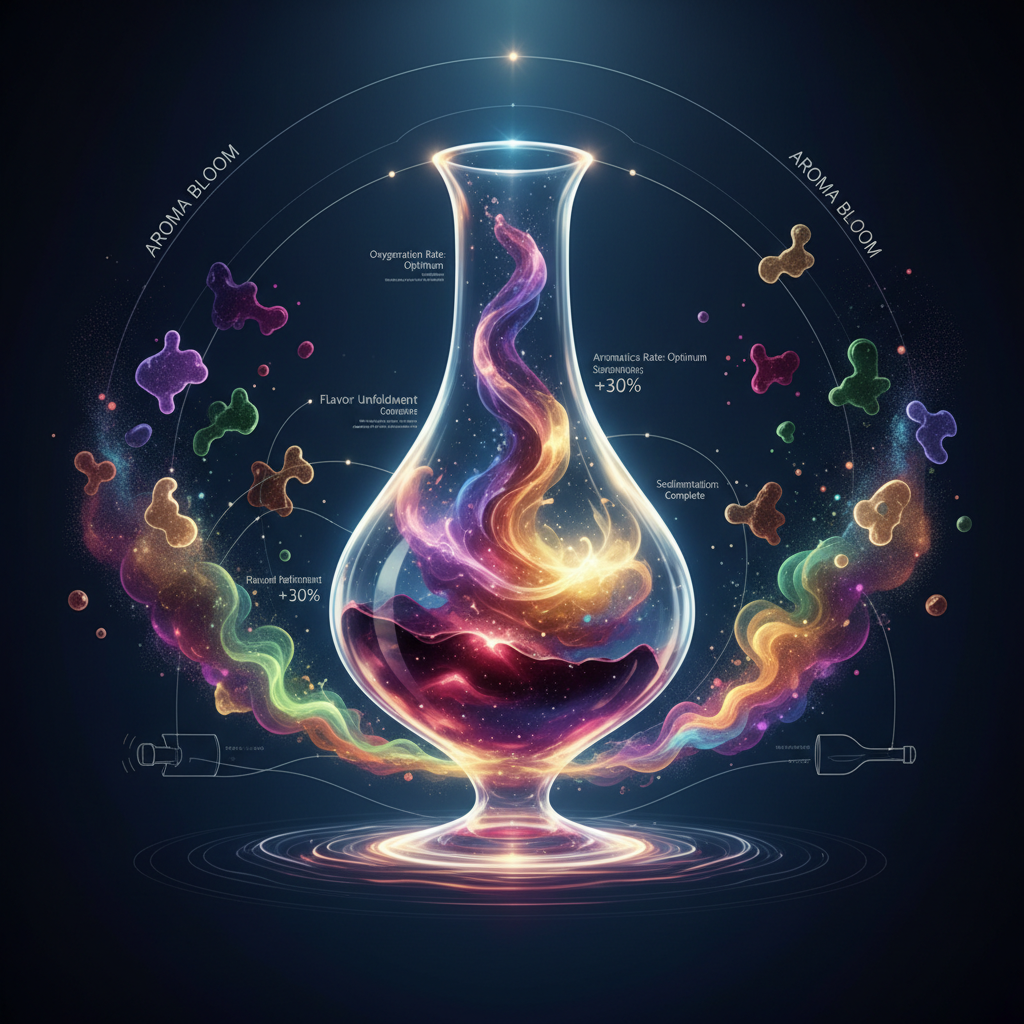
Aeration, or letting the wine "breathe," is primarily beneficial for younger, more tannic wines. Exposure to oxygen softens tannins, allowing fruit flavors to become more prominent and complex aromas to emerge. This process can transform a seemingly closed or harsh wine into something far more approachable and enjoyable.
The extent of aeration needed depends on the wine's age and varietal. Some robust young reds might benefit from several hours in a decanter, while more delicate wines might only need 30 minutes. The larger the surface area of the decanter, the more quickly the wine will aerate. To truly appreciate these nuances, honing your sensory analysis skills, as discussed in Decoding Sommelier Secrets: Advanced Sensory Analysis for the Home Enthusiast in 2026, is invaluable.
Choosing the Right Decanter for Your Wine
The world of decanters is vast, with designs ranging from elegantly simple to elaborately sculptural. The choice of decanter often depends on the wine type and the desired effect of the wine decanting techniques being employed. Functionality, however, should always take precedence over aesthetics. The primary features to consider are the stopper, neck, and base.
- Standard Decanter: Features a wide base for maximum aeration and a long, narrow neck for easy pouring. Ideal for most aerating needs.
- Aerating Decanter: Designed with specific features like internal funnels or wide-mouth openings to maximize wine-to-air contact, accelerating the aeration process.
- Travel Decanter: Smaller, often with stoppers that seal tightly, making them suitable for short-term storage or transport.
- Older Wine Decanter: Often has a narrower neck and sometimes a sediment trap, specifically designed for careful sediment separation.
Invest in good quality crystal or lead-free glass for clarity and durability. A clean decanter is crucial, as any residual odors can taint the wine. Always rinse thoroughly with water, and allow to air dry upside down on a decanter drying rack. For those looking to optimize their personal collection, consider insights from The Art of the Home Cellar: Creating an Optimal Aging Environment for Your Collection in 2026.
Advanced Wine Decanting Techniques and Considerations
While the basic principles of decanting are straightforward, there are several advanced wine decanting techniques and considerations that can further refine your approach. From temperature control to understanding specific varietal needs, mastering these nuances sets a true wine connoisseur apart.
Temperature Control During Decanting
Wine temperature is critical, and decanting can influence it. Ideally, wine should be served at its optimal temperature. If you're decanting a red wine that's too cold, the decanter's larger surface area will help it warm up more quickly. Conversely, if a white wine (rarely decanted, but occasionally for complex, aged whites) needs to stay cool, a decanter with a chiller insert or an ice bucket around the decanter can be beneficial.
As of 2026, smart decanters with integrated temperature monitoring are emerging, offering real-time data to help maintain optimal serving temperatures throughout the decanting process. These innovations reflect the ongoing evolution of wine appreciation tools.
When NOT to Decant: A Crucial Distinction
Despite its benefits, not all wines benefit from decanting. Some delicate older wines, especially those with subtle aromatics, can be "over-aerated," causing their delicate perfumes to dissipate too quickly. Similarly, most white and rosé wines do not typically require decanting, except for a select few complex, aged styles that might benefit from a brief period of aeration to open up their bouquets.
Consider the age and varietal. Generally, young, robust reds (Cabernet Sauvignon, Syrah, Bordeaux Blends) are excellent candidates. Older, more fragile reds and most sparkling wines should typically remain in their original bottle. If in doubt, a small taste test before decanting can guide your decision. A great resource for exploring wine characteristics is Wine Tasting: How to Taste Wine Like a Professional, which can help in making these crucial decisions.
Practical Tips for Flawless Wine Decanting Techniques
Executing perfect wine decanting techniques is a skill refined through practice. Here are some practical tips to ensure a flawless experience every time, enhancing both your enjoyment and your guests' appreciation:
- Clear Your Workspace: Ensure you have ample space, good lighting, and all necessary equipment (decanter, candle/flashlight, bottle opener).
- Steady Hand: Maintain a slow, continuous pour to minimize disturbance to the sediment, especially with older wines. Jerky movements can stir up particles.
- Rinse Before Use: Always rinse your decanter with a small amount of the wine you intend to decant. This "wines" the decanter, removing any residual water or odors and preparing it for the main pour.
- Experiment with Time: The ideal decanting time varies greatly. Start with shorter periods (30 minutes to an hour) and observe the wine's evolution. For very robust young reds, several hours might be necessary. Some enthusiasts even decant the night before!
- Observe and Taste: The ultimate test is your palate. Pay attention to how the aromas develop and the flavors soften over time. This sensitivity will guide your future decanting decisions.
Remember, decanting is not just a chore; it's an integral part of the ritual of enjoying fine wine. It adds an element of anticipation and ceremony, further enriching the overall experience. For a broader appreciation of wine culture, consider exploring The Silent Storytellers: Unearthing the Cultural Narratives Embedded in Wine Rituals and Ceremonies in 2026.
The Future of Wine Decanting in 2026
As we look ahead in 2026, the world of wine decanting continues to evolve, blending tradition with innovative technology. While classic wine decanting techniques remain fundamental, advancements in materials and smart devices are beginning to offer new possibilities. Expectations are high for more precisely controlled aeration systems, and decanters that maintain optimal conditions for longer periods.
Beyond technology, there’s a growing emphasis on educational resources, like Greatest Wine, to demystify complex processes and empower every wine lover to apply sophisticated techniques. The goal is to make the art of decanting accessible and enjoyable for everyone, ensuring that each bottle reaches its peak expression. Embracing these practices means unlocking deeper dimensions of flavor, aroma, and pleasure from every glass. For more insights into emerging trends, keep an eye on industry leaders like Wine Folly, a great external resource for wine education.
Written by
Juniper Thorne is an experienced writer and educator with a deep passion for the world of wine. Bringing expertise in sensory analysis and wine culture to the Greatest Wine platform, Juniper helps readers explore and appreciate every nuance of wine.
Related Articles
The Vinous Arsenal: Essential Tools for Elevating Your Wine Experience in 2026
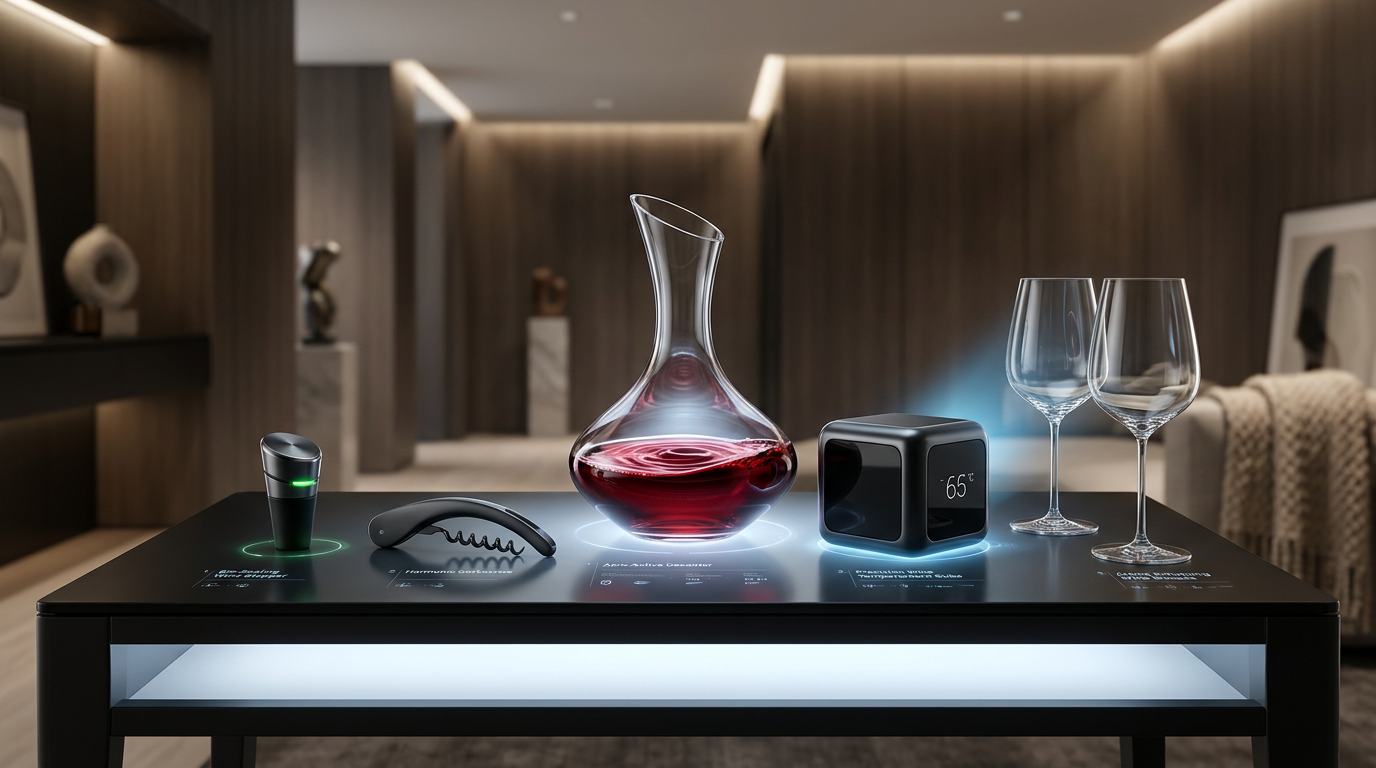
As we navigate May 2026, the world of wine continues to evolve, offering enthusiasts unprecedented tools. Discover the essential wine accessories for 2026 that will elevate your enjoyment, from innovative aerators to smart preservation systems. Upgrade your vinous arsenal today with Greatest Wine.
Juniper Thorne