The Glass Revolution: How Innovative Vessel Design is Redefining Wine Enjoyment in 2026
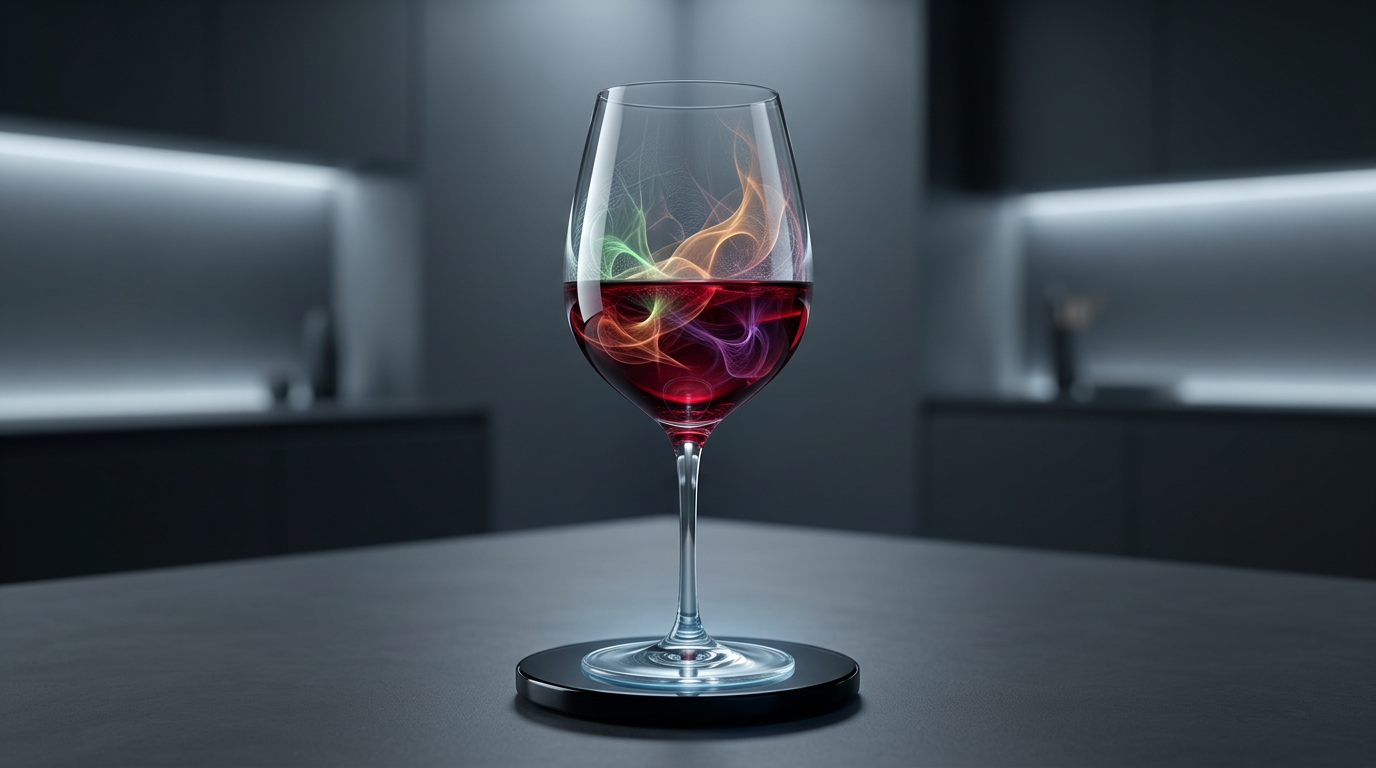
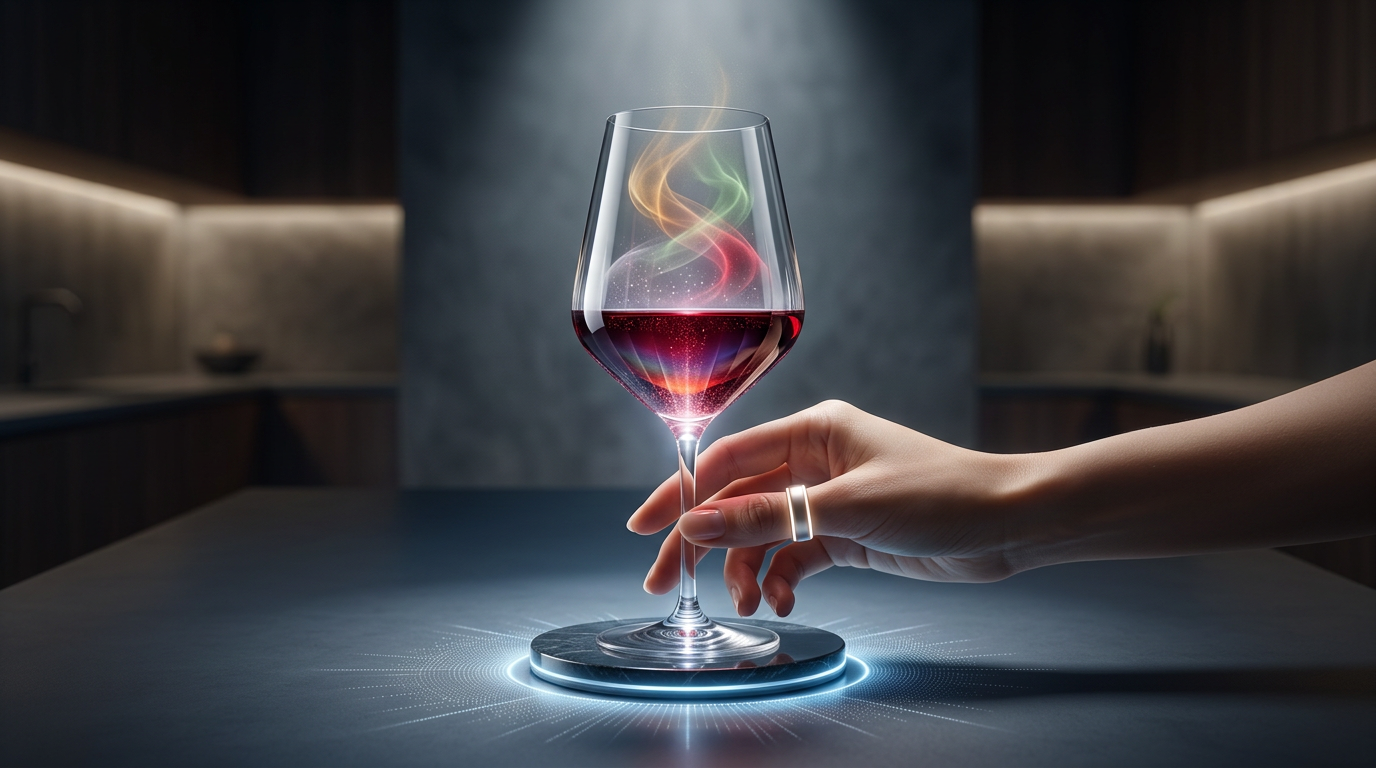
In 2026, wine glass design innovation is at the forefront of oenology, transforming how enthusiasts experience their favorite vintages. The wine glass is now a meticulously engineered tool, unlocking the full potential of wine's aroma, flavor, and texture. This shift reflects a deeper understanding of sensory perception and material science. We delve into cutting-edge technologies and ergonomic advancements that are making a significant impact on wine appreciation globally, from stemless wonders to specialized varietal-specific creations.

The Glass Revolution: How Innovative Vessel Design is Redefining Wine Enjoyment in 2026
In the evolving world of oenology, wine glass design innovation stands at the forefront, revolutionizing how enthusiasts and connoisseurs alike experience their favorite vintages. As we navigate 2026, the humble wine glass is no longer just a vessel; it's a meticulously engineered tool designed to unlock the full potential of wine's aroma, flavor, and texture. This shift reflects a deeper understanding of sensory science and a commitment to enhancing every nuanced sip.
The Science Behind Enhanced Enjoyment: Understanding Wine Glass Design Innovation
The impact of glass shape on wine perception is not a myth; it's a scientifically validated phenomenon. Different varietals possess unique aromatic profiles and structural characteristics that can be either muted or amplified by the glass from which they are drunk. Modern wine glass design innovation focuses on optimizing these interactions.
Each curve, aperture, and bowl size serves a specific purpose. For instance, a wider bowl allows for greater aeration, liberating complex aromatic compounds, while a narrower rim directs the wine to specific taste zones on the palate. For more insights into how design influences experience, consider reading about The Art of the Sommelier's Psychology.
Aeration and Oxidation Control
- Surface Area: Larger bowls provide a greater surface area for the wine to interact with air, facilitating controlled oxidation. This process helps soften tannins in red wines and opens up aromatic layers.
- Decanting Capabilities: Some innovative designs effectively combine the benefits of a decanter within a single glass, reducing the need for separate equipment. This ties into the broader discussion of elevating wine experience beyond the bottle.
Aromatics and Bouquet Concentration
The shape of the bowl directly influences how aromas are captured and delivered to the nose. Flared rims can spread aromas too widely, while overly narrow ones can concentrate volatile compounds to an overwhelming degree. The sweet spot lies in a design that gently funnels and layers the bouquet.
- Chimney Effect: Tapered rims create a "chimney effect," directing delicate aromatics upward, ensuring a more focused and intense olfactory experience.
- Clarity and Purity: Crystal-clear, thin glass ensures no visual distortion, allowing the wine's color and clarity to be fully appreciated.
Materials and Manufacturing: Cutting-Edge Wine Glass Design Innovation
Beyond shape, the materials and manufacturing processes employed in crafting wine glasses have seen significant advancements. The focus is on durability, clarity, and ecological sustainability, enhancing the overall quality of wine glass design innovation.
Lead-Free Crystal and Tritan Glass
Traditional lead crystal is beautiful but fragile and contains lead. The industry has largely transitioned to lead-free crystal, offering comparable brilliance and resonance without the health concerns. Furthermore, Tritan crystal glass, a proprietary blend developed by Zwiesel Kristallglas, offers enhanced break resistance and dishwasher safety.
These materials allow for thinner, more elegant stems and rims, which are crucial for minimizing interference with the tasting experience.
Hand-Blown vs. Machine-Made Precision
Both hand-blown and machine-made glasses have their merits. Hand-blown glasses often possess unique characteristics and an artisanal appeal. However, advancements in machine-made processes now allow for unparalleled consistency, precision, and intricate designs at scale, making high-quality glasses more accessible.
The use of advanced robotics in manufacturing ensures that every glass adheres to exact specifications for optimal performance.
Varietal-Specific Designs: Tailoring the Experience
One of the most significant trends in recent wine glass design innovation is the proliferation of varietal-specific glasses. While a universal glass can suffice, glasses tailored to specific wine types demonstrably enhance the tasting experience.
Red Wine Glasses
- Bordeaux/Cabernet Sauvignon: Tall, large bowls with a broad surface area to promote aeration, soften tannins, and allow complex aromas of dark fruit and spice to develop.
- Burgundy/Pinot Noir: Wider, more rounded bowls to gather and concentrate delicate, earthy, and red fruit aromas typical of Pinot Noir. This shape allows ample space for the wine's delicate bouquet to evolve.
White Wine Glasses
Generally smaller than red wine glasses, white wine glasses aim to preserve cooler temperatures and concentrate delicate floral and fruity notes.
- Chardonnay: Larger, wider bowls, sometimes with a slightly narrower opening, to emphasize the wine's richness, oak influence, and creamy texture (especially for oaked Chardonnay).
- Riesling/Sauvignon Blanc: Taller, narrower bowls and openings to capture and enhance crisp acidity and vibrant fruit aromas. This design helps maintain the wine's freshness.
Specialty Glasses
Beyond the primary red and white categories, specialized glasses exist for Champagne (flutes or tulips to preserve bubbles), dessert wines (smaller bowls to emphasize sweetness without overwhelming), and even fortified wines like Port.
The Future of Wine Glass Design Innovation: Smart Glasses and Sustainability in 2026
Looking ahead, 2026 presents exciting possibilities for further wine glass design innovation. The convergence of technology with traditional craftsmanship is already beginning to shape the next generation of wine enjoyment.
Smart Glass Technology
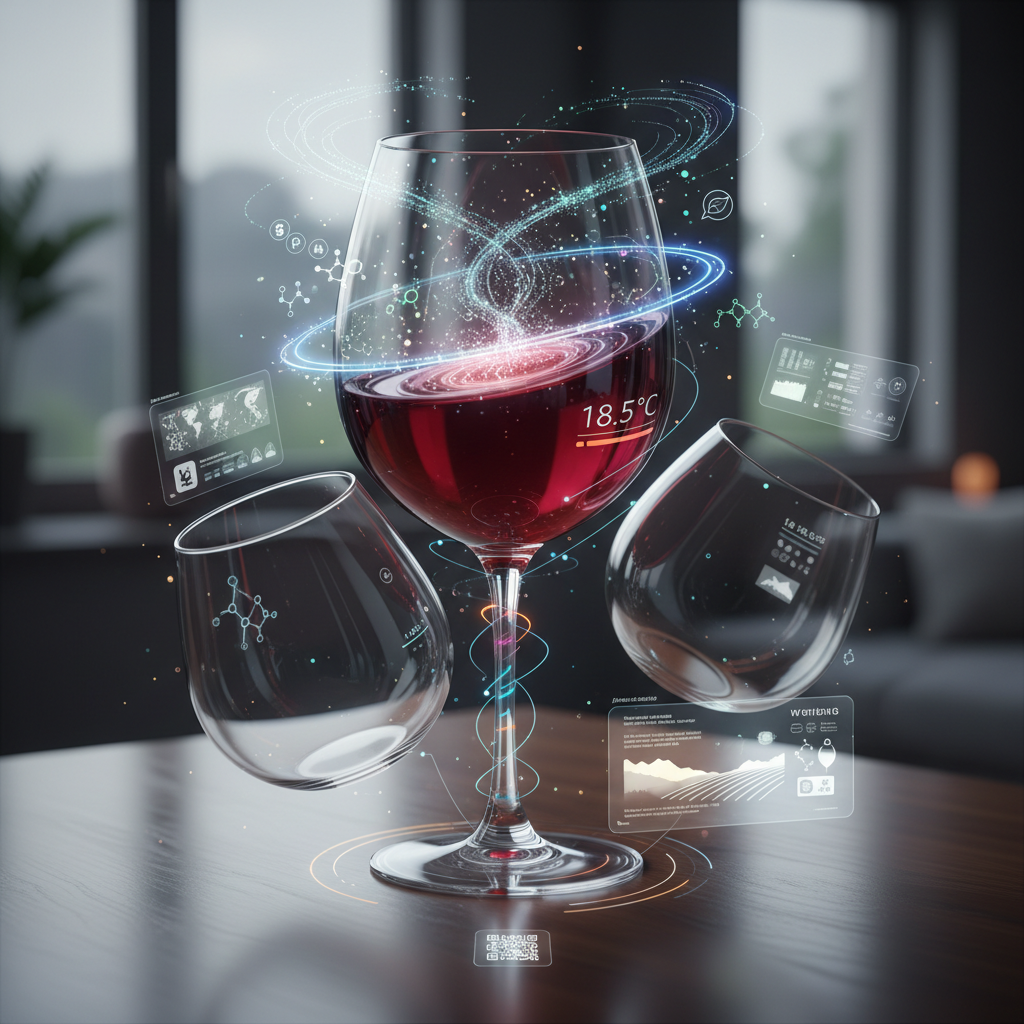
While still in nascent stages, concepts for ‘smart’ wine glasses are emerging. These could potentially integrate sensors to measure wine temperature, provide instant pairing suggestions via augmented reality overlays, or even analyze wine composition. Imagine a glass that subtly vibrates when your wine reaches its optimal serving temperature! This kind of technological integration could democratize advanced wine knowledge for casual drinkers and experts alike. For a broader view of how technology is impacting wine, explore The Art of the Virtual Terroir.
Sustainability and Eco-Consciousness
As consumers become more environmentally aware, the demand for sustainable wine accessories is growing. Manufacturers are exploring:
- Recycled Materials: Utilizing recycled glass or other eco-friendly polymers in production.
- Closed-Loop Manufacturing: Implementing processes that minimize waste and energy consumption.
- Durability: Designing glasses that are more resistant to breakage, reducing the need for replacements and subsequent waste.
The trend towards ethical sourcing and production will undoubtedly continue to influence wine glass design innovation in the years to come. For more on sustainability in winemaking, check out practices like The Art of the Reclaimed Barrel.
Experiencing the Difference: Practical Tips for Wine Enthusiasts
For those eager to fully appreciate the advancements in wine glass design innovation, here are some practical tips:
- Invest in Quality: A few good quality, varietal-specific glasses will significantly enhance your tasting experience compared to a cupboard full of generic tumblers.
- Cleanliness is Key: Always ensure your glasses are sparkling clean and free of any residual soap or dust. Even a faint film can interfere with aromas.
- Hold by the Stem: Holding the glass by the stem prevents your hand from warming the wine and leaves the bowl free for visual inspection and swirling.
- Swirl Gently: A gentle swirl helps aerate the wine further and releases its aromatic compounds.
- Experiment: Don't be afraid to try different wines in different glass shapes to personally discover the impact each design has on your perception. Riedel and Zalto are excellent brands known for their commitment to varietal-specific engineering in wine glass production.
In conclusion, the world of wine in 2026 is one where every detail, down to the selection of your stemware, contributes to an enriched sensory journey. The ongoing ingenuity in wine glass design innovation continues to elevate the art of wine enjoyment, ensuring that each pour is an opportunity for discovery and delight.
Written by
Juniper Thorne is an experienced writer and educator with a deep passion for the world of wine. Bringing expertise in sensory analysis and wine culture to the Greatest Wine platform, Juniper helps readers explore and appreciate every nuance of wine.
Related Articles
The Vinous Arsenal: Essential Tools for Elevating Your Wine Experience in 2026
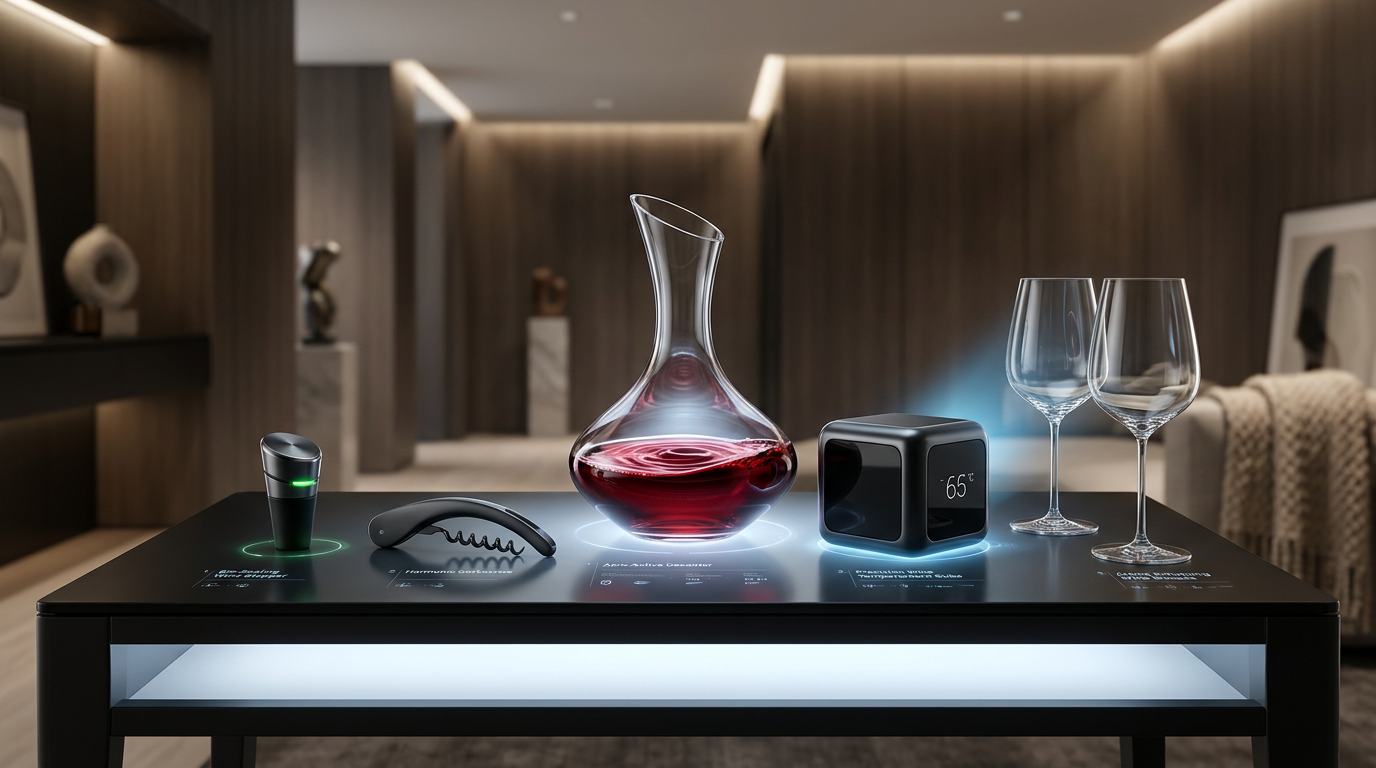
As we navigate May 2026, the world of wine continues to evolve, offering enthusiasts unprecedented tools. Discover the essential wine accessories for 2026 that will elevate your enjoyment, from innovative aerators to smart preservation systems. Upgrade your vinous arsenal today with Greatest Wine.
Juniper Thorne