The Art of the Reclaimed Barrel: Giving New Life to Oak for 2026's Sustainable Winemaking
In 2026, reclaimed wine barrels are a significant trend in viticulture, giving new life to oak for sustainable winemaking. This practice goes beyond recycling, reflecting a commitment to innovation and environmental responsibility in the evolving world of wine production. Explore their growing importance.

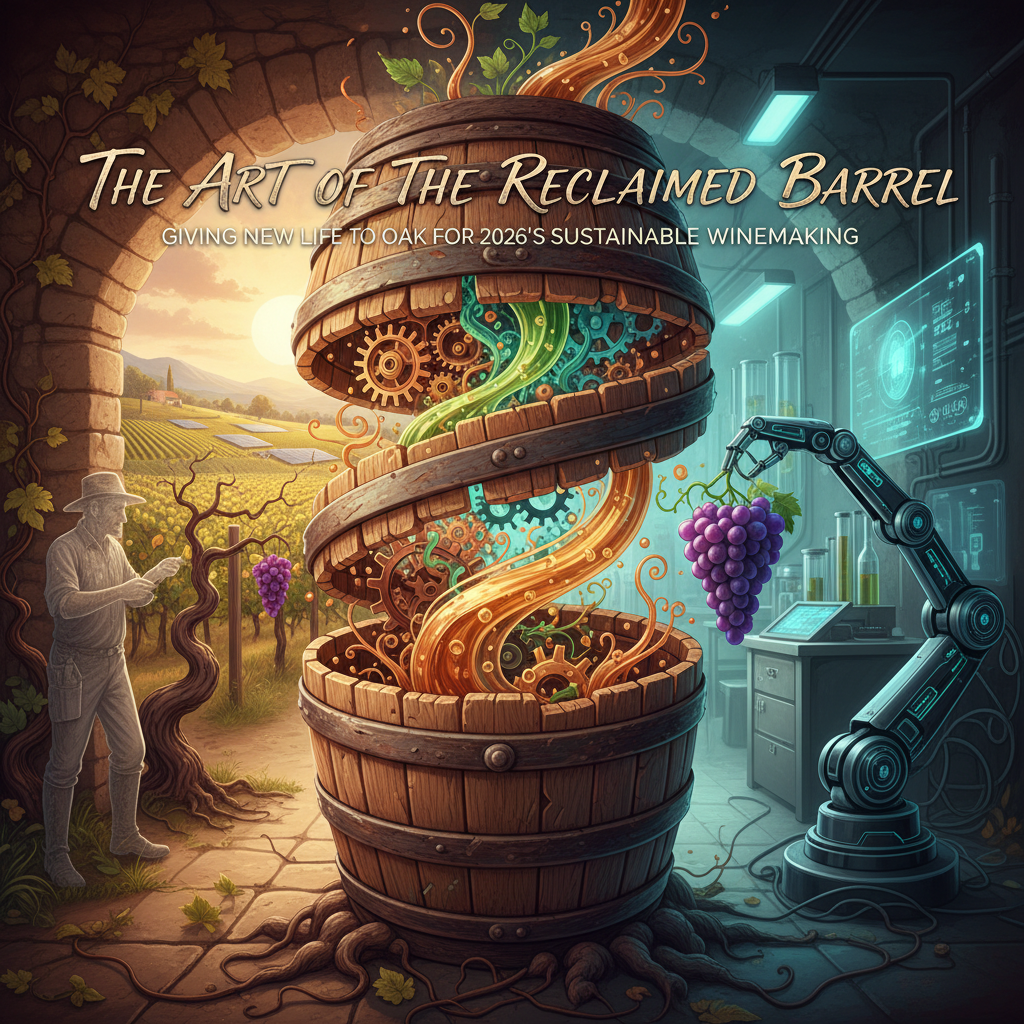
The Art of the Reclaimed Barrel: Giving New Life to Oak for 2026's Sustainable Winemaking
In the evolving world of viticulture, where tradition meets innovation, the use of reclaimed wine barrels is emerging as a significant trend for 2026. These venerable wooden vessels, once retired from their primary function of aging fine wines, are now experiencing a remarkable rebirth. Beyond mere recycling, the adoption of reclaimed wine barrels speaks to a deeper commitment to sustainability and a creative approach to resourcefulness in the wine industry, offering unique aesthetic and functional benefits for a variety of applications. This movement strongly aligns with the growing focus on environmental impact, a topic we explored previously in Beyond the Grape: Exploring the Unseen Ecosystem of Biodiversity in Vineyards by 2026.
The Sustainable Revolution: Why Reclaimed Wine Barrels Matter in 2026
As environmental consciousness continues to grow, the wine industry, like many others, is actively seeking sustainable practices. Repurposing reclaimed wine barrels is a prime example of this commitment. Instead of contributing to landfill waste or requiring the felling of new oak trees, these barrels are given a second, often entirely new, purpose. This echoes the broader goal of conscious consumption and production observed across various sectors as highlighted by the United Nations Sustainable Development Goals for 2026 and beyond.
Reducing Environmental Footprint
The manufacturing of new oak barrels is a resource-intensive process, involving significant timber and energy. By extending the life cycle of existing barrels, wineries and artisans substantially reduce their ecological impact. This is particularly relevant in 2026, as consumers increasingly prioritize eco-friendly products and brands.
Embracing Circular Economy Principles
Using reclaimed wine barrels perfectly aligns with the principles of a circular economy. Resources are kept in use for as long as possible, extracting the maximum value from them while in use, then recovering and regenerating products and materials at the end of each service life. This mindset is vital for long-term industry sustainability. For more on how wineries are embracing innovative approaches, see The Rise of Hydroponic and Aeroponic Viticulture: Is Soil Becoming Obsolete for Premium Wines in 2026?
The Unique Character of Aged Oak
Beyond environmental benefits, these barrels offer a distinctive aesthetic. The weathered wood, often stained crimson from years of contact with wine, tells a story. This character is highly sought after for both decorative and functional purposes, adding an authentic, rustic charm that new materials simply cannot replicate.
Transforming the Old: Creative Uses for Reclaimed Wine Barrels
The versatility of reclaimed wine barrels is truly astounding. Once emptied of their precious contents, these oak vessels find new life in a myriad of forms, showcasing incredible ingenuity and craftsmanship. The demand for these repurposed items has surged in 2026, reflecting a broader appreciation for upcycled goods. This ingenuity is a common thread throughout winemaking, as explored in The Art of the Winemaker's 'Happy Accident': Serendipity and Innovation in Crafting 2026's Exceptional Wines.
In the Vineyard and Winery
Within the winemaking world itself, reclaimed wine barrels are often transformed into decorative planters for grapevines or other flora around the winery. They can also be used as unique tasting tables, providing an authentic atmosphere for visitors. Some innovative winemakers are even experimenting with barrel furniture for their cellar doors.
Home and Garden Decor
The home and garden market has embraced these barrels wholeheartedly. Common transformations include:
- Garden planters for herbs, flowers, or even small trees.
- Water features and rain barrels, adding a rustic touch to outdoor spaces.
- Furniture such as coffee tables, end tables, and bar stools.
- Dog beds, serving trays, and even wine racks.
Commercial and Retail Applications
Restaurants, cafes, and retail stores frequently use reclaimed wine barrels to create distinctive decor elements. They can serve as display stands, reception desks, or integrated seating, imparting a sophisticated, earthy feel to commercial environments. Their robust construction makes them ideal for high-traffic areas.
The Craftsmanship Behind Repurposing Reclaimed Wine Barrels
Giving a new life to an old barrel requires skill, vision, and often, specialized tools. The process of transforming reclaimed wine barrels is an art form in itself, involving several critical steps to ensure durability and aesthetic appeal. This dedication to craft is reminiscent of the meticulous work documented in The Art of the Winemaker's Notebook: Unearthing the Craft, Philosophy, and Legacy of 2026's Visionaries.
Sourcing and Selection
The journey begins with carefully sourcing barrels that are structurally sound. Wineries typically replace barrels after 3-5 years of use, depending on the desired oak influence. These 'spent' barrels are then available for reclamation. Artisans inspect them for integrity, considering the type of oak (French, American, Hungarian) and any unique markings.
Cleaning and Preparation
Thorough cleaning is essential. Barrels are often rinsed multiple times to remove wine residue and any remaining tartrates. Depending on the intended use, they might be sanded, sealed, or even treated to enhance their natural color and protect against weather elements if used outdoors. This step is crucial for the longevity of the repurposed item.
Deconstruction and Reconstruction
For many projects, barrels are carefully deconstructed, with individual staves (the wooden planks) being separated. These staves can then be planed, cut, and reassembled into an entirely new form. For example, furniture makers might use staves to create intricate designs for tabletops or chair backs, showcasing the natural curve and grain of the wood.
Finishing Touches
The final stage involves sanding, staining, and applying protective finishes. This not only highlights the wood's natural beauty but also safeguards it from wear and tear. High-quality finishes are vital, especially for items exposed to the elements or frequent use, ensuring the repurposed reclaimed wine barrels last for many years to come.
Future Trends: What's Next for Reclaimed Wine Barrels in 2026 and Beyond
The future looks bright for reclaimed wine barrels, as interest in sustainable and unique materials continues to grow. We anticipate further innovation in design and application, pushing the boundaries of what's possible with these versatile oak vessels. This innovative spirit is also reflected in the broader design landscape, where sustainability is a key driver, as seen in publications like Dezeen's Sustainable Design features.
Continued Growth in Interior Design
Expect to see more sophisticated interior design applications. From bespoke flooring made from barrel staves to intricate wall paneling, architects and designers are recognizing the unique texture and story that these materials bring to modern spaces. This trend aligns with the global shift towards natural, rustic, and industrial aesthetics.
Technological Advancements in Processing
New technologies in woodworking and material science may open up even more possibilities. Advanced cutting and binding techniques could allow for more complex and durable structures, expanding the range of products that can be crafted from these barrels. Automation might also make the repurposing process more efficient and accessible.
Educational Workshops and DIY Popularity
As the "maker movement" continues to thrive, more consumers are likely to engage in DIY projects involving reclaimed wine barrels. Workshops and online tutorials will grow in popularity, empowering individuals to transform barrels into personalized items for their homes and gardens, fostering a deeper connection to sustainable craftsmanship. Resources like Instructables already showcase numerous DIY projects using wine barrels.
Integration into Urban Farming Initiatives
In cities, where green space is at a premium, reclaimed wine barrels offer an excellent solution for urban farming and community gardens. Their robust size and natural material make them ideal for growing vegetables, fruits, and herbs, contributing to local food movements and community engagement in 2026.
Conclusion
From their humble origins aging some of the world's finest wines, reclaimed wine barrels are embarking on an exciting second chapter. Their journey from essential winemaking tools to cherished objects of art and utility perfectly embodies the spirit of sustainability and creative resourcefulness. As we move further into 2026, the appreciation for these remarkable oak vessels will only deepen, celebrating their rich history while embracing their promising future in design, craftsmanship, and environmental stewardship. Their enduring appeal lies not just in their aesthetic charm but in the compelling narrative of rebirth, making them a truly special element in the world of wine and beyond.
Written by
Juniper Thorne is an experienced writer and educator with a deep passion for the world of wine. Bringing expertise in sensory analysis and wine culture to the Greatest Wine platform, Juniper helps readers explore and appreciate every nuance of wine.
Related Articles

The Cellar Architects: Mastering Elite Wine Preservation and Evolution in 2026
For the true connoisseur, wine is more than just a beverage; it's a living entity, an investment, and a passion. Mastering its preservation and evolution is an art form, especially in 2026 with new technologies and insights. Learn how to protect and enhance your cherished collection.
Juniper Thorne