The Art of the Vinous Alibi: Unraveling the Mysteries of Wine Traceability and Counterfeit Detection in 2026
In 2026, the world of fine wines demands robust authenticity and provenance. This comprehensive guide explores innovative wine traceability techniques and cutting-edge solutions for counterfeit detection, safeguarding the integrity of every bottle. Delve into the latest advancements ensuring your wine is genuine and secure.

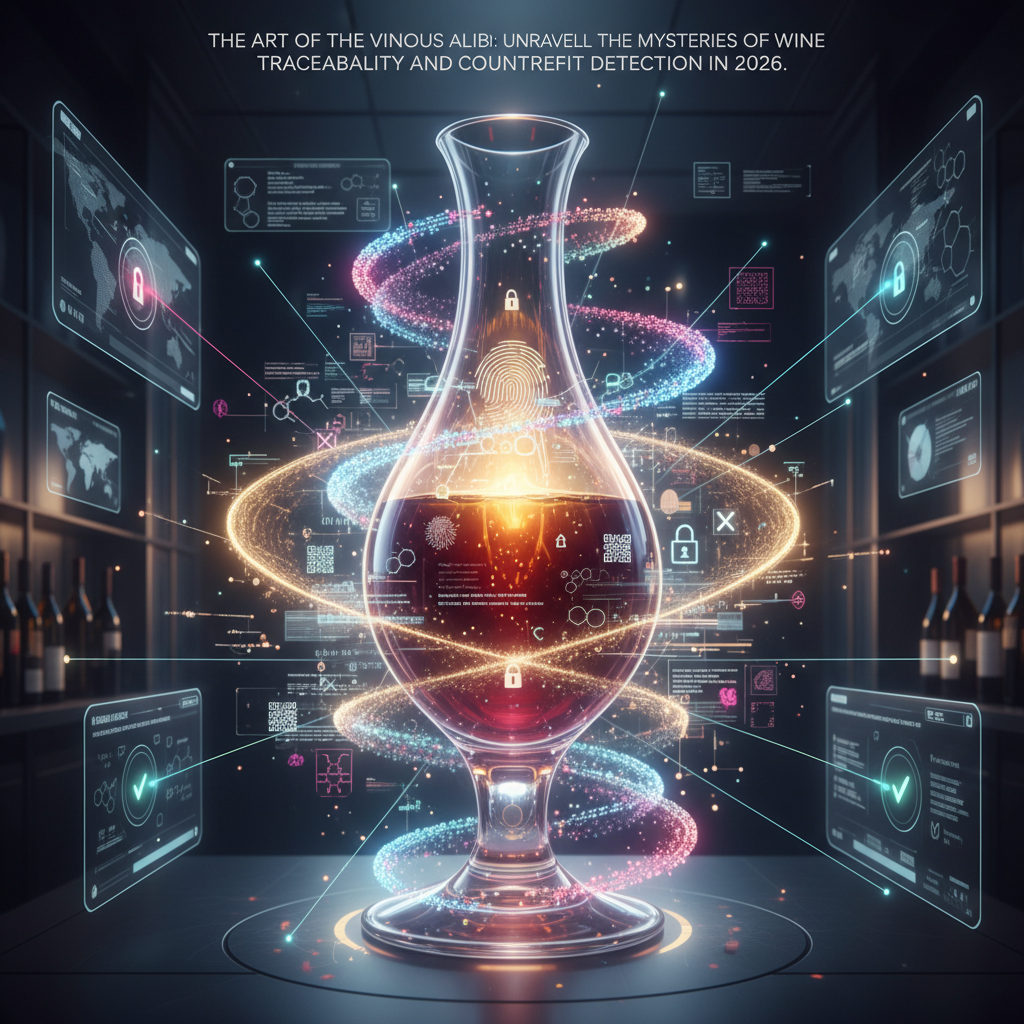
The Art of the Vinous Alibi: Unraveling the Mysteries of Wine Traceability and Counterfeit Detection in 2026
In the dynamic world of fine wines, ensuring authenticity and provenance has never been more critical. The year 2026 marks a pivotal moment for advanced techniques in safeguarding the integrity of every bottle. This comprehensive guide delves into the innovative landscape of wine traceability 2026, exploring cutting-edge solutions designed to combat counterfeiting and provide consumers with unparalleled confidence. From vineyard to cellar to table, understanding the journey of wine is key to appreciating its true value and heritage, and the latest technological advancements are making this more transparent than ever before.
The Evolving Landscape of Wine Traceability 2026
The global wine market, projected to reach significant new heights in 2026, continues to face persistent challenges from counterfeit products. These illicit bottles not only defraud consumers but also tarnish the reputation of esteemed wineries. Consequently, the demand for robust wine traceability and authenticity systems has accelerated, pushing innovation to new frontiers. The industry is witnessing a concerted effort to implement sophisticated tracking mechanisms that cover every stage of a wine's lifecycle.
Why Traceability Matters More Than Ever
- Consumer Confidence: Buyers want assurance that their premium wine is genuine.
- Brand Protection: Wineries safeguard their reputation and intellectual property.
- Regulatory Compliance: Adherence to increasingly strict international and regional regulations.
- Supply Chain Transparency: Understanding the origins and handling of products.
The year 2026 highlights a significant shift towards proactive measures, utilizing data-driven insights to predict and prevent fraudulent activities. The focus is not just on identifying fakes but on creating a trustable ecosystem for all stakeholders, as explored further in The Art of the Sommelier's Oracle: Decoding the Future of Wine Trends and Consumer Palates in 2026.
Key Drivers for Advanced Wine Traceability in 2026
Several factors are propelling the adoption of advanced wine traceability 2026 technologies. Firstly, consumer awareness of food and beverage fraud is at an all-time high. Secondly, the increasing value of rare and collectible wines makes them prime targets for sophisticated counterfeiters. Lastly, technological breakthroughs in areas like blockchain and AI are making comprehensive tracking more feasible and cost-effective than ever before, creating what some refer to as Cognitive Terroir.
Cutting-Edge Technologies for Wine Traceability in 2026
The toolkit for combating wine fraud is expanding rapidly. Modern wine traceability solutions leverage multiple technologies, often in combination, to create resilient and tamper-proof systems. These innovations are designed to provide a digital fingerprint for each bottle, ensuring its unique identity and lineage.
Blockchain Technology and its Role
Blockchain is perhaps one of the most transformative technologies for wine traceability 2026. Its decentralized, immutable ledger system provides a secure and transparent record of a wine’s journey from the vineyard to the consumer. Each transaction, from grape harvest to bottling, shipping, and sale, can be logged as a block in the chain, creating an unalterable history.
For example, a high-value Bordeaux could have its entire life cycle documented on a blockchain, accessible via a QR code on the bottle. Consumers could scan this code to view information about the vintage, vineyard, winemaker, and even specific handling and storage conditions. This level of transparency, as discussed in The Art of the 'Vinous Blockchain': Revolutionizing Wine Provenance and Authenticity in 2026, builds immense trust.
Advanced Anti-Counterfeiting Measures
- NFC/RFID Tags: Near Field Communication (NFC) and Radio-Frequency Identification (RFID) tags embedded in labels or corks allow for unique bottle identification and authentication. These tags can store data and are resistant to replication.
- Invisible Inks and Micro-Perforations: Specialized inks visible only under UV light, or microscopic perforations, add covert layers of security that are difficult for counterfeiters to replicate.
- DNA-based Markers: A revolutionary approach involves embedding synthetic DNA markers directly into labels or packaging. These bio-tags are virtually impossible to duplicate and can be tested for authenticity at various points in the supply chain.
- AI and Machine Learning: Artificial intelligence algorithms can analyze vast datasets to identify patterns indicative of fraud, from irregular pricing to unusual shipping routes. Machine learning models can also be trained to recognize subtle differences between genuine and counterfeit labels, mirroring the predictive capabilities discussed in The Art of the Vinous Cartographer: Mapping Flavor Landscapes and Predictive Terroir in 2026.
The integration of these diverse technologies creates a multi-layered defense, making it significantly harder for fraudulent wines to enter the legitimate market in 2026.
Implementing Robust Wine Traceability 2026 Systems
The successful implementation of wine traceability 2026 systems requires collaboration across the entire wine industry. Wineries, distributors, retailers, and technology providers must work in concert to establish standardized protocols and share data responsibly. The benefits of such a cohesive approach far outweigh the initial investment.
Challenges and Solutions
While the advantages are clear, implementing these systems is not without challenges. High initial costs, the need for industry-wide adoption, and ensuring data privacy are significant hurdles. However, as technology becomes more affordable and standardized frameworks emerge, these challenges are being progressively addressed. Government initiatives and increased consumer demand are also pushing for faster adoption rates. For further insights on ensuring quality, consider exploring techniques such as The Art of the 'Vinous Breath': Exploring Micro-Oxygenation's Role in Sculpting Wine Identity for 2026.
Many solutions now offer scalable options, from small artisanal producers to large global conglomerates. The key is to choose a system that integrates seamlessly with existing operations without creating undue burden.
The Role of Industry Standards
The development of universal industry standards for wine traceability is crucial. Standardized data formats, identification protocols, and blockchain interoperability will facilitate smoother global adoption and ensure that tracking information is consistent and reliable across different platforms and regions. Organizations like GS1 Global are instrumental in developing global standards for unique product identification within the wine and spirits sector.
The Impact on Consumers and the Future of Wine
For the consumer, advanced wine traceability 2026 brings unprecedented peace of mind. No longer will the authenticity of a high-value bottle be a matter of trust alone; it will be verifiable. This enhanced transparency elevates the entire wine experience, allowing enthusiasts to connect more deeply with the story and origin of their chosen vintage.
Empowering the Enthusiast
Imagine purchasing a rare Burgundy and, with a quick scan of your smartphone, instantly accessing detailed information about the specific plot of land it originated from, the weather conditions during its vintage year, and the exact winemaking techniques employed. This level of detail enriches the tasting experience, transforming it from a mere sensory evaluation into a journey through history and craftsmanship, much like understanding The Art of the Soil Microbiome: Unseen Architects of Terroir and Wine Complexity in 2026.
- Assured Authenticity: Purchase with confidence, knowing the wine is genuine.
- Enhanced Information: Access detailed provenance, tasting notes, and vineyard stories.
- Investment Protection: Safeguard the value of collectible wines.
- Ethical Sourcing: Verify sustainable practices and ethical production.
The future of wine in 2026 is one characterized by transparency, trust, and a deeper connection between the producer and the consumer. The widespread adoption of robust wine traceability systems will play a fundamental role in shaping this exciting new era for the industry. For those interested in the broader impact on the global wine industry, resources like the International Organisation of Vine and Wine (OIV) provide valuable statistics and reports.
Looking Ahead: Wine Traceability Beyond 2026
The advancements in wine traceability 2026 are not the culmination but rather a stepping stone towards even more sophisticated systems. Research continues into areas like advanced sensor technology for real-time monitoring of storage conditions and even predictive analytics for forecasting potential supply chain vulnerabilities. The goal is to create an almost fully automated and self-regulating ecosystem for wine authenticity, potentially integrating concepts like those discussed in The Art of the Vinified 'Still Life': How Photography and AI are Capturing Wine's Transient Beauty in 2026.
The journey to perfect wine traceability is ongoing, but the progress made by 2026 represents a landmark achievement. As technology continues to evolve, so too will our ability to protect the integrity of this cherished beverage, ensuring that every bottle tells a true story of its origins.
Written by
Juniper Thorne is an experienced writer and educator with a deep passion for the world of wine. Bringing expertise in sensory analysis and wine culture to the Greatest Wine platform, Juniper helps readers explore and appreciate every nuance of wine.
Related Articles
The Vinous Verse: How Wine's Spirit Inspires 2026's Poetic and Literary Masterpieces
The intricate dance between the grape and the written word has enchanted humanity for millennia. Explore the profound connection between wine and literature, from ancient musings to 2026's contemporary narratives and poetic masterpieces. Discover how the world of wine continually inspires writers.
Juniper Thorne