The Art of the 'Vinous Impressionist': Capturing the Ephemeral Essence of Wine Through Art in 2026
In 2026, "vinous impressionism" is a captivating artistic movement gaining traction, aiming to capture the sensory, emotional, and ephemeral qualities of wine. This approach goes beyond visual representation, using diverse artistic mediums to express the intricate nature of wine, engaging both artists and enthusiasts in a new exploration of liquid beauty.

Vinous Impressionism: Capturing Wine's Essence Through Art in 2026
In the vibrant tapestry of wine appreciation, a unique artistic movement is gaining significant traction: vinous impressionism. This captivating approach transcends mere visual representation, striving to capture the sensory, emotional, and ephemeral qualities of wine through diverse artistic mediums. As we navigate 2026, artists and enthusiasts alike are exploring new frontiers in expressing the delicate nuances of a vintage, the terroir of a region, and the profound experience of tasting wine. It’s an art form that invites viewers not just to see, but to feel and to taste, using color, texture, and form to evoke the complex symphony of flavors and aromas, making vinous impressionism a truly immersive experience.
Understanding the Essence of Vinous Impressionism
At its core, vinous impressionism is about translating the intangible into the tangible. It’s not about photorealistic depictions of grapes or vineyards, but rather about conveying the impression a wine leaves on the senses. Think of a fleeting sunset, captured with broad brushstrokes and vibrant colors – much like that, artists aim to capture the ephemeral elegance of a fine wine. This artistic endeavor often aligns with deeper understandings of how environmental factors shape a wine's character, as explored in the Art of the 'Vinous Nebula': Deconstructing the Cosmic Influences on Terroir in 2026.
This movement draws inspiration from the original Impressionist masters who sought to capture light and atmosphere. Similarly, vinous impressionists are concerned with the fleeting moments of a wine’s sensory profile: the initial aroma, the burst of flavor on the palate, and the lingering finish. The goal is to convey these sensory experiences visually, creating a bridge between taste and sight, a hallmark of true vinous impressionism.
The Philosophy Behind the Brushstroke
The philosophy of vinous impressionism is rooted in personal interpretation. Each artist brings their unique sensory experience and emotional connection to the canvas (or sculpture, or photographic print). This subjective approach means that two artists interpreting the same wine might produce wildly different yet equally compelling works, each reflecting a genuine "vinous impression."
- Emphasis on sensory memory and emotional response.
- Rejection of literal representation in favor of evocative imagery.
- Focus on the overall 'feeling' or 'character' of a wine.
Key Characteristics of Vinous Art in 2026
In 2026, the characteristics of this art form are becoming more defined. Expect to see:
- Bold, expressive color palettes mirroring wine hues and their perceived warmth or coolness.
- Abstract forms suggesting the swirling complexity of aromas.
- Textural elements that might evoke the mouthfeel of a wine – crisp acidity, silky tannins, or robust body.
- Installations combining visual art with olfactory elements, directly integrating wine aromas.
Techniques and Mediums Employed by Vinous Impressionists
Artists engaged in vinous impressionism utilize a diverse array of techniques and mediums to capture the liquid muse. The choice of medium often dictates the artistic expression, allowing for varied interpretations of a wine's character.
Traditional painting forms, such as oils and watercolors, remain popular. Oils offer rich textures and deep colors, perfect for conveying the depth of a Cabernet Sauvignon or the earthy notes of a Pinot Noir. Watercolors, with their fluidity and transparency, beautifully represent the delicate lightness of a crisp Sauvignon Blanc or the ethereal beauty of a delicate Rosé. These diverse approaches all contribute to the rich tapestry of vinous impressionism.
Beyond the Canvas: Modern Approaches to Vinous Impressionism
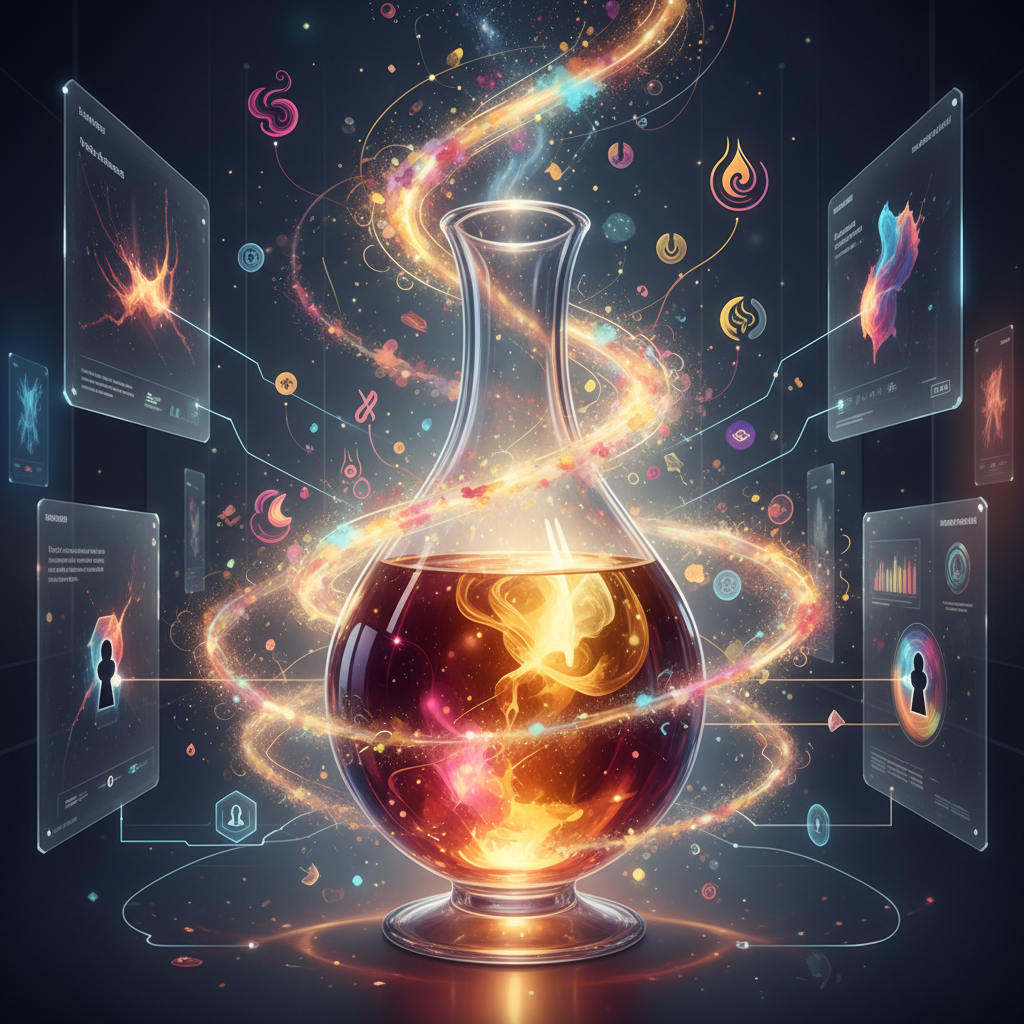
The movement isn't confined to traditional painting. As of 2026, digital art, photography, sculpture, and even performance art are being employed by vinous impressionists. Digital artists use light and motion graphics to create immersive experiences that mimic the dynamic evolution of a wine's flavor profile over time. Photographers experiment with macro shots of wine droplets, condensation, or the play of light through a glass, creating abstract emotional landscapes. This integration of technology and artistry is also seen in how Photography and AI are Capturing Wine's Transient Beauty in 2026.
Sculptors might craft pieces that evoke the structure or balance of a wine, perhaps using materials that symbolize its origin. Performance artists might choreograph movements that reflect the dance of flavors on the palate, sometimes even incorporating wine itself into the performance, like pouring it onto a canvas or textile to create ephemeral patterns.
The blending of different senses is crucial. Olfactory art, which incorporates specific wine aromas directly into installations, is a growing trend. Imagine a gallery setting where a visual piece depicting a Syrah is accompanied by subtle diffusers releasing notes of black pepper and dark berries – a truly immersive sensory journey into vinous impressionism. More on how senses influence wine appreciation can be found in The Art of the 'Cognitive Cellar': How Sensory Deprivation Enhances Wine Appreciation in 2026.
The Connection Between Wine Tasting and Vinous Artistic Expression
There's an undeniable symbiotic relationship between the art of wine tasting and vinous impressionism. To truly capture the essence of a wine, an artist must first be a skilled taster, capable of discerning the intricate layers of aroma, flavor, and texture. This deep understanding informs their artistic choices. Insights into the very foundation of these flavors can be explored through understanding the Art of the Soil Microbiome: Unseen Architects of Terroir and Wine Complexity in 2026.
Wine tasting goes beyond merely identifying flavors; it involves understanding the wine's journey from vineyard to glass, its history, its terroir, and the winemaker's intent. This holistic appreciation forms the bedrock of genuinely expressive vinous art. Artists often immerse themselves in tasting notes, participate in workshops, and even visit vineyards to fully grasp the nuances they intend to portray, enriching their vinous impressionism.
Furthermore, the language of wine tasting itself is highly evocative and often metaphorical, lending itself naturally to artistic interpretation. Terms like "bright acidity," "silky tannins," "a long finish like a sustained chord," or "notes of forest floor" all paint vivid pictures in the mind, ready for an artist to translate.
Sensory Perception Transformed
The process often begins with sensory analysis. An artist might taste a wine, noting its visual characteristics (color, clarity, viscosity), olfactory components (primary, secondary, tertiary aromas), and gustatory elements (sweetness, acidity, tannin, alcohol, body, finish). These individual perceptions are then synthesized and translated into artistic elements.
- Color: Directly influences the palette choice.
- Aroma: Dictates abstract forms, textures, or even materials used to evoke specific scents.
- Taste & Mouthfeel: Impacts the overall composition, balance, and perceived 'weight' of the artwork.
Collecting and Curating Vinous Impressionist Art in 2026
The burgeoning interest in vinous impressionism has led to a noticeable increase in its presence within the art market and cultural institutions. Collectors are drawn to the unique blend of sensory indulgence and artistic expression that these pieces offer. In 2026, dedicated galleries and online platforms are emerging, specializing in this fascinating niche.
Wine regions are also becoming significant hubs for this art movement. Wineries are commissioning pieces, hosting exhibitions, and integrating art into their visitor experiences, recognizing that vinous impressionism perfectly complements the narrative of their wines. These collaborations elevate both the art and the wine, creating a richer, more holistic appreciation. For more insights into how art and wine intersect, consider exploring recent trends in wine and art collaborations (Source: Decanter, rel="noopener noreferrer" target="_blank").
Investing in the Ephemeral
For collectors, owning a piece of vinous impressionism is more than just acquiring an aesthetic object; it's about possessing a tangible representation of an intangible experience. These artworks often spark conversations, inviting viewers to recall their own wine memories and sensory perceptions. Early career artists in this field are seeing increased recognition, making it an exciting area for art investment. For those interested in the investment side of art, the wine investment market (Source: Bloomberg, rel="noopener noreferrer" target="_blank") continues to evolve, drawing parallels with art acquisition.
Furthermore, the storytelling aspect of this art form appeals greatly to connoisseurs. A piece that captures the essence of a rare vintage or a specific terroir becomes a focal point for discussion and a celebration of wine culture. As the world of wine continues its global expansion and diversification in 2026, so too does the appreciation for art that reflects its soul, particularly through vinous impressionism.
The Future Landscape of Vinous Art
Looking ahead, we can anticipate further innovation in vinous impressionism. Expect more cross-disciplinary collaborations, perhaps with sommeliers creating tasting notes that directly inspire artists, or even joint exhibitions where wine and art are presented as inseparable entities. The integration of augmented reality and virtual reality could also offer new ways to experience art that responds to different wine profiles, creating truly interactive sensory journeys. The movement is poised for continued growth, solidifying its place as a sophisticated and evocative art form. You can find more information on emerging trends in the global art market (Source: ARTnews, rel="noopener noreferrer" target="_blank"), often highlighting cross-disciplinary movements like vinous impressionism.
Written by
Juniper Thorne is an experienced writer and educator with a deep passion for the world of wine. Bringing expertise in sensory analysis and wine culture to the Greatest Wine platform, Juniper helps readers explore and appreciate every nuance of wine.
Related Articles
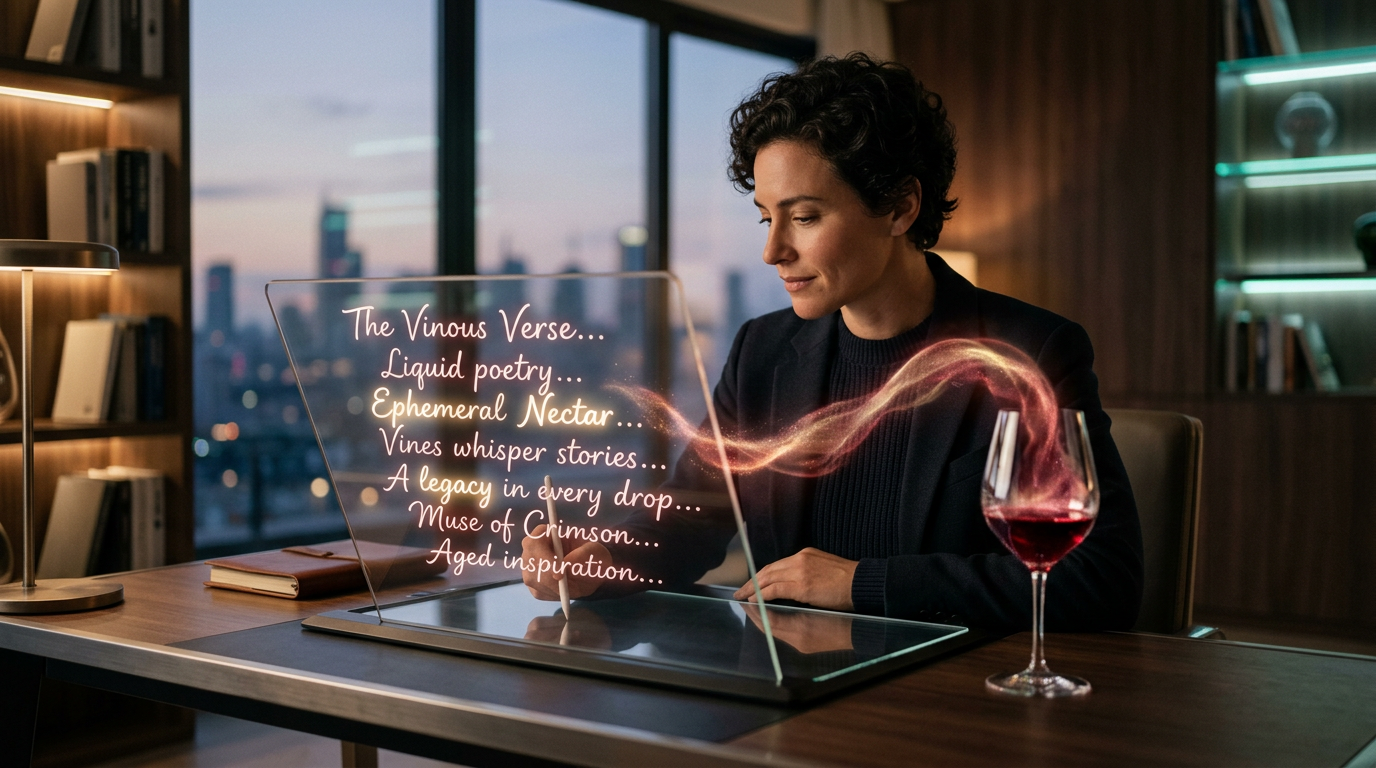
The Vinous Verse: How Wine's Spirit Inspires 2026's Poetic and Literary Masterpieces
The intricate dance between the grape and the written word has enchanted humanity for millennia. Explore the profound connection between wine and literature, from ancient musings to 2026's contemporary narratives and poetic masterpieces. Discover how the world of wine continually inspires writers.
Juniper Thorne