The Art of the 'Wine Alchemist': Transforming Undervalued Varietals into 2026's Cult Classics
In 2026, the dynamic world of viticulture is witnessing the rise of 'wine alchemy' – a fascinating process where overlooked or undervalued grape varietals are transformed into highly sought-after cult classic wines. This intricate art blends tradition, innovation, and an unparalleled understanding of terroir and winemaking techniques to create exceptional vintages that captivate connoisseurs.

Wine Alchemy: Transforming Undervalued Varietals into 2026's Cult Classics
In the dynamic world of viticulture and oenology, a fascinating phenomenon is taking hold: the rise of modern wine alchemy. This isn't about turning lead into gold, but rather transforming overlooked or undervalued grape varietals into highly sought-after wines, creating the cult classics of 2026. This intricate process involves a blend of tradition, innovation, and a deep understanding of terroir and vinification techniques, pushing the boundaries of what's possible in winemaking, truly embodying the spirit of wine alchemy.
The Genesis of Modern Wine Alchemy: Unearthing Hidden Gems
Modern wine alchemy begins with a keen eye for potential. Winemakers, often referred to as "wine alchemists," are constantly scouring vineyards for indigenous grapes or forgotten varietals that offer unique characteristics. These grapes might have once been dismissed due to low yields, challenging cultivation needs, or simply a lack of market demand in previous decades. However, with evolving palates and a hunger for novelty, these hidden gems are finally getting their moment in the spotlight.
The global wine industry saw significant shifts in 2025-2026, with consumers increasingly seeking authenticity and smaller-batch production. This trend has provided fertile ground for alchemist winemakers to experiment and elevate varietals that were previously considered secondary. For more on how human factors subtly influence a wine's character, see The Art of the 'Invisible' Hand: The Unseen Influence of Human Factors on Terroir and 2026's Wine Identity.
Identifying the Alchemists' Canvas: Undervalued Varietals
- Reviving Indigenous Grapes: Many regions boast a rich heritage of native grape varietals that have fallen out of favor. Winemakers are now meticulously researching and cultivating these grapes, often discovering extraordinary flavor profiles.
- Challenging "International Varieties": While Cabernet Sauvignon and Chardonnay remain popular, a growing movement seeks to diversify the wine landscape by promoting local expressions.
- Terroir-Driven Selection: Alchemists look for varietals that perfectly express the unique soil, climate, and topography of a specific vineyard, believing that true character emerges from this symbiosis. You can learn more about this connection in Quantum Terroir: Unlocking the Subatomic Secrets of Wine's Sense of Place in 2026.
The Alchemist's Workshop: Techniques in Winemaking
Once an undervalued varietal is identified, the true work of wine alchemy begins in the vineyard and cellar. This involves a meticulous approach to every stage of the winemaking process, often combining ancestral methods with cutting-edge technology. The goal is to maximize the expressiveness of the grape, highlight its unique attributes, and craft a wine that resonates deeply with discerning tasters.
From organic and biodynamic farming practices to precise fermentation temperature control, no detail is too small. The alchemist’s touch often involves unconventional fermentation vessels, extended lees aging, or minimal intervention to allow the true essence of the grape to shine through. Winemakers are increasingly balancing Science and Spirit in 2026's Best Vintages to achieve these results.
Cultivation and Vineyard Management
- Sustainable Practices: Many alchemist winemakers employ organic or biodynamic farming, believing healthy soil and vines produce more complex grapes. This also aligns with consumer trends towards sustainable products in 2026.
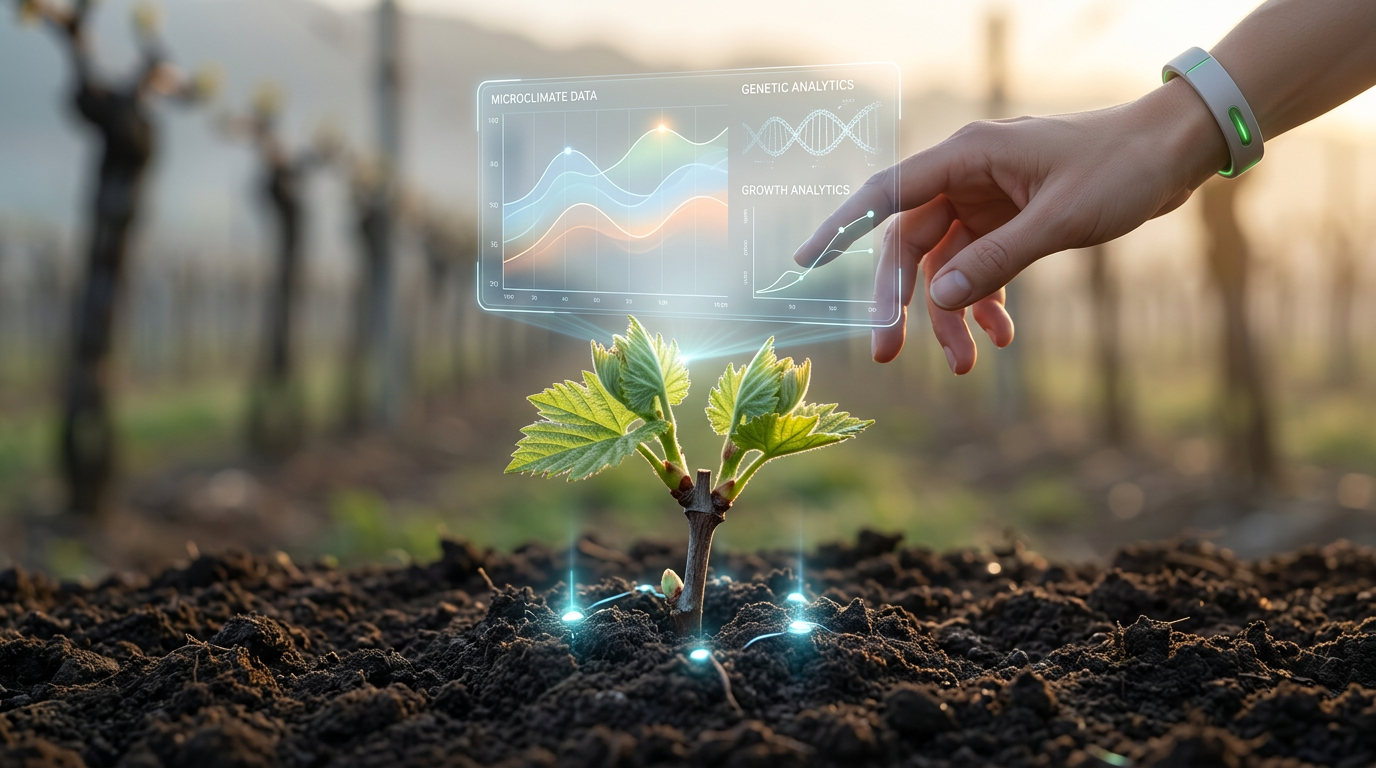
- Precision Viticulture: Utilizing advanced data and technology to optimize irrigation, canopy management, and harvest timing, ensuring grapes reach peak ripeness for their intended style.
- Low Yields, High Quality: Often, producing exceptional wine from lesser-known varietals means sacrificing quantity for concentrated flavors and aromas.
Fermentation and Aging Innovations
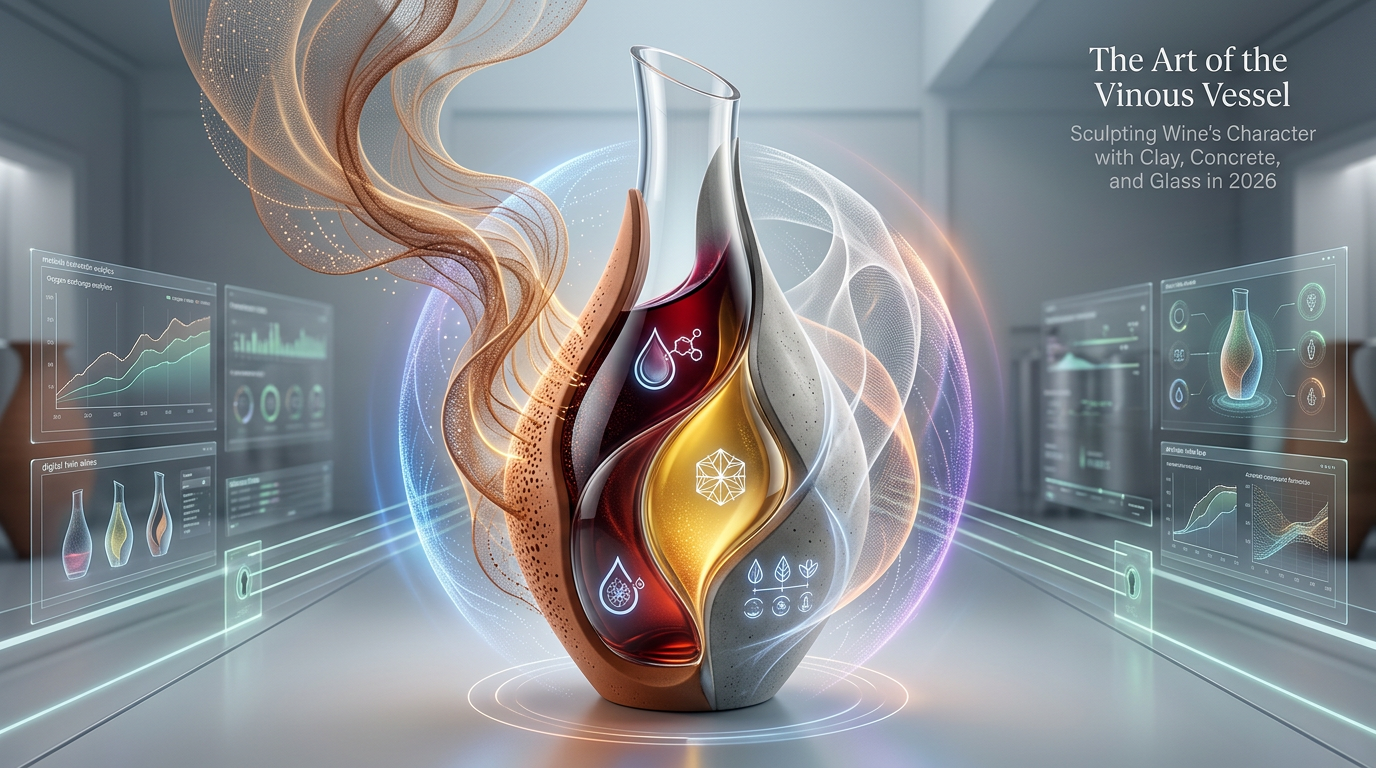
The journey from grape to glass is where the magic truly unfolds. Alchemists experiment with various fermentation techniques, moving beyond standard stainless steel or oak. Amphorae, concrete eggs, and large format foudres are becoming increasingly common, each imparting distinct characteristics to the wine. For instance, the use of Indigenous Yeast and Minimal Intervention is a cornerstone of this approach.
Aging regimens are also carefully considered. Some wines benefit from extended time on their lees for added texture and complexity, while others might see a hint of new oak to complement their fruit profile without overshadowing it. The key is to enhance, not mask, the inherent qualities of the varietal. This thoughtful process is similar to how 'Palate Architects' Craft Sensory Landscapes Through Blending.
Sensory Transformation: The Result of Wine Alchemy
The ultimate goal of wine alchemy is a sensory transformation – a wine that captivates and delights. These newly elevated varietals often present profiles that are distinct from mainstream wines, offering intricate aromas, complex palates, and memorable finishes. Understanding these nuanced characteristics is crucial for truly appreciating the alchemist's craft.
Tasting these wines is an adventure. Expect the unexpected – a familiar aroma presented in a new context, a texture that surprises, or a finish that lingers far longer than anticipated. These are the wines that spark conversation and ignite passion among enthusiasts and professionals alike. The psychological aspects of this appreciation are explored further in The Art of the Sommelier's Brain: Unraveling Cognitive Biases in Wine Appreciation for 2026.
Decoding the Alchemist's Flavors
- Unique Aromatic Profiles: Expect aromas ranging from rare wildflowers to exotic spices, often differing significantly from more common varietals.
- Textural Complexity: Many alchemized wines boast remarkable mouthfeel, from silky smooth to delightfully grippy, adding depth to the tasting experience.
- Lingering Finishes: A hallmark of quality, these wines often leave a lasting impression, evolving on the palate even after swallowing.
2026's Cult Classics: The Rise of the Alchemized Varietals
As we navigate 2026, the wines born from this modern wine alchemy are steadily gaining cult status. Wine critics are praising their individuality, sommeliers are championing their inclusion on wine lists, and consumers are eagerly seeking them out. These aren't just trendy wines; they represent a fundamental shift in wine appreciation – a movement valuing distinctiveness over conformity.
The appeal lies in their story – the passion, dedication, and foresight of the winemakers who saw potential where others saw none. These cult classics are often produced in limited quantities, further enhancing their desirability and making them prized possessions for collectors and enthusiasts. Insights into the broader market for such wines can be found in a guide for Navigating the Global Secondary Wine Market in 2026.
Why These Wines are Becoming Cult Classics
The allure of alchemized varietals stems from several factors. Firstly, their scarcity makes them exclusive. Secondly, the compelling narratives behind their revival resonate with consumers seeking authenticity. Lastly, and most importantly, their undeniable quality and unique sensory experiences set them apart.
These wines are proof that innovation, when combined with respect for tradition and terroir, can lead to truly extraordinary results. They are not just beverages; they are liquid art, each bottle a testament to the skill and vision of the wine alchemist. Data on market trends and consumer preferences for such unique offerings are readily available from industry reports such as those by the International Organisation of Vine and Wine (OIV), which often publishes annual statistics and analyses crucial for understanding the global wine landscape in 2026.
The Future of Wine Alchemy and Global Trends
The trend of wine alchemy is not just a passing fad; it represents a significant evolution in the global wine landscape. As climate change continues to impact traditional wine regions, and as consumers demand greater diversity and sustainability, the focus on resilient, indigenous, and overlooked varietals will only intensify. Winemakers and viticulturists often consult resources like the World Resources Institute (WRI) for research on climate and water stress, informing their long-term strategies for grape selection and cultivation.
We anticipate that more winemakers around the world will embrace this alchemical approach in the coming years. This will lead to an even richer tapestry of wines available to enthusiasts, fostering a deeper appreciation for the boundless possibilities inherent in the grape vine. The spirit of discovery and transformation will undoubtedly shape the future of fine wine. The pursuit of unique and rare expressions also ties into the ongoing efforts of various conservation programs, such as those highlighted by institutions like Slow Food International's Ark of Taste initiative, which works to preserve endangered foods, including many indigenous grape varieties globally.
Written by
Juniper Thorne is an experienced writer and educator with a deep passion for the world of wine. Bringing expertise in sensory analysis and wine culture to the Greatest Wine platform, Juniper helps readers explore and appreciate every nuance of wine.
Related Articles

The Cellar Architects: Mastering Elite Wine Preservation and Evolution in 2026
For the true connoisseur, wine is more than just a beverage; it's a living entity, an investment, and a passion. Mastering its preservation and evolution is an art form, especially in 2026 with new technologies and insights. Learn how to protect and enhance your cherished collection.
Juniper Thorne