The Art of the 'Vinous Digital Twin': Recreating and Preserving Legacy Vintages with AI in 2026
The traditional world of wine is undergoing a significant transformation in 2026 with the emergence of the 'vinous digital twin'. This revolutionary concept, driven by advanced artificial intelligence, is changing how we interact with and understand legacy vintages. It offers a new way to preserve and even recreate the unique characteristics of historical wines, moving beyond mere theoretical models into tangible applications. This innovation is captivating both connoisseurs and winemakers, promising a future where rare vintages are more accessible and their essence better understood.

The Art of the 'Vinous Digital Twin': Recreating and Preserving Legacy Vintages with AI in 2026
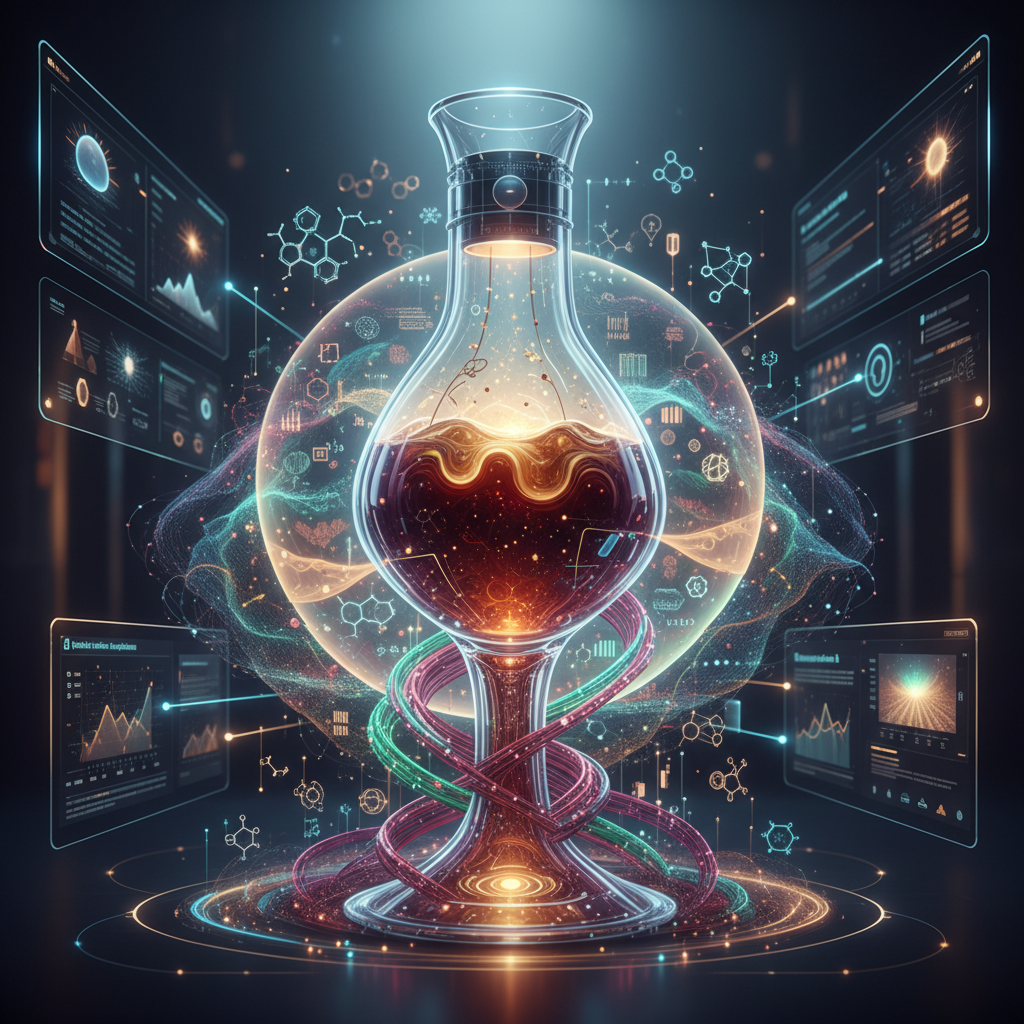
The world of wine, rich in tradition and often steeped in history, is experiencing a remarkable transformation as we venture further into 2026. A groundbreaking innovation capturing the imagination of connoisseurs and winemakers alike is the concept of the vinous digital twin. This revolutionary approach, powered by advanced artificial intelligence, is not merely a theoretical marvel but a practical tool for recreating and preserving the essence of legacy vintages, allowing us to experience the past in ways previously unimaginable. Imagine capturing every nuanced aroma, flavor profile, and even the textural mouthfeel of a priceless, long-gone bottle – that's the promise of the vinous digital twin.
This technological leap echoes broader trends in how we engage with sensory experiences, much like how sensory deprivation enhances wine appreciation in a "Cognitive Cellar", but here, the focus is on digital preservation and reconstruction.
Understanding the Concept of a Vinous Digital Twin
At its core, a vinous digital twin is a comprehensive virtual replica of a specific wine. This isn't just about scanning a label or recording tasting notes; it involves a sophisticated, multi-layered data capture and AI modeling process that aims to encapsulate every single characteristic of a physical wine. Think of it as creating a digital blueprint so precise that it can inform the recreation or analysis of a wine with unprecedented accuracy.
The application of AI and advanced analytics to winemaking is not entirely new, but the depth and breadth of the vinous digital twin project represent a significant leap forward. It moves beyond predictive analytics for grape growing to reconstructive and preservative digital modeling for finished wines. This ties into the broader movement of designing hyper-personalized wine experiences with AI in 2026, where technology crafts unique interactions with wine.
The Science Behind the Vinous Digital Twin
Creating a digital twin of such a complex, organic product like wine involves synergistic scientific disciplines. It requires an intricate understanding of chemistry, sensory analysis, and big data processing. The ultimate goal is to digitize the entire sensory experience of a specific vintage.
- Chemical Fingerprinting: State-of-the-art analytical techniques, including gas chromatography-mass spectrometry (GC-MS) and liquid chromatography-mass spectrometry (LC-MS), are employed to identify and quantify thousands of chemical compounds present in the wine. These compounds are responsible for the wine's aroma, flavor, and even its color stability.
- Sensory Data Mapping: Professional tasters, equipped with advanced biometric feedback tools, provide detailed sensory evaluations. This qualitative data, covering primary, secondary, and tertiary aromas, texture, acidity, and persistence, is then correlated with the chemical data. AI algorithms learn to connect specific chemical profiles with perceived sensory attributes. This process is akin to decoding hidden messages in wine aromas, but on a grander, more scientific scale.
- Historical Contextualization: Data regarding vineyard conditions, winemaking techniques, aging processes, and bottle storage are also incorporated. This adds crucial 'environmental' data to the twin, helping to explain the evolution of the wine over time.
The Role of AI in Building and Utilizing the Vinous Digital Twin
Artificial intelligence is the computational engine driving the creation and utility of the vinous digital twin. Without advanced machine learning and neural networks, processing the vast datasets and developing predictive and reconstructive models would be impossible.
AI algorithms are trained on immense volumes of data from countless wines, learning to recognize patterns and relationships that human analysis alone could never uncover. This capability allows the AI to predict how a wine will age, identify subtle chemical markers for specific flavor notes, and even suggest blending ratios to mimic desired profiles. The precision here mirrors the analytical rigor found in deconstructing the science of predictive wine character.
Preserving Legacy Vintages Through Digital Replication
One of the most compelling applications of the vinous digital twin is its potential for preservation. Many of the world's most iconic and historically significant wines are incredibly rare, fragile, and often prohibitively expensive. As these physical bottles age, their contents inevitably change, and eventually, their peak enjoyment window passes.
With a comprehensive vinous digital twin, the precise chemical and sensory signature of these wines at their optimal state can be immortalized. This digital record serves as an invaluable reference, allowing enthusiasts and researchers to 'experience' these wines virtually, long after the last physical bottle has been consumed or deteriorated. This digital preservation complements efforts in blockchain for wine provenance, adding a layer of scientific authenticity to historical records. The ability to preserve these delicate profiles also benefits understanding the enduring influence of historic climate shifts on 2026's old vine wines.
Recreation and Educative Potential
Beyond preservation, the capacity for recreation offers exciting prospects. While creating an exact physical duplicate of a centuries-old wine remains a complex challenge due to the organic nature of wine and the role of microorganisms, the digital twin can guide efforts to produce wines that extensively mirror the lost vintage's characteristics. This could involve identifying specific grape varietals, terroir conditions, and winemaking processes that align with the digital profile.
For educational purposes, the vinous digital twin is revolutionary. Imagine aspiring sommeliers or winemaking students being able to deeply analyze and comprehend the nuances of a 1945 Pétrus or a 1961 Haut-Brion, not just from tasting notes but from an interactive digital model that details its chemical makeup and sensory attributes. This hands-on, data-driven learning experience is unprecedented in wine education in 2026. This also opens up new possibilities for advanced wine tasting education by providing benchmarks for rare wines.
Future Implications and Ethical Considerations of the Vinous Digital Twin
As the technology for the vinous digital twin matures, its implications for the wine industry are vast. From new forms of authenticity verification to personalized wine recommendations, the digital twin promises to reshape how we interact with wine.
However, alongside these exciting possibilities, ethical questions naturally arise. Concerns about potential counterfeiting, intellectual property rights for recreated wines, and the very concept of "authenticity" in a digitally replicated wine need careful consideration as the technology evolves. The wine world values tradition and origin; integrating advanced digital tools requires a delicate balance. This interplay of technology and tradition influences aspects like weaving heritage grapes and blockchain authenticity in 2026, ensuring provenance remains paramount.
The Vinous Digital Twin: A Glimpse into Wine's Digital Future in 2026
The advent of the vinous digital twin marks a pivotal moment in the wine industry in 2026. It represents a confluence of ancient craft and cutting-edge technology, offering new avenues for understanding, preserving, and even reimagining the world's most cherished wines. As this sophisticated technology continues to develop, it promises to deepen our appreciation for wine, making invaluable vintages accessible in new dimensions, and ensuring that the legacy of exceptional winemaking endures for generations to come. The digital age is truly uncorking new possibilities for every wine enthusiast, from novice to connoisseur. This future also paves the way for immersive experiences such as those described in crafting immersive digital wine experiences for 2026.
Written by
Juniper Thorne is an experienced writer and educator with a deep passion for the world of wine. Bringing expertise in sensory analysis and wine culture to the Greatest Wine platform, Juniper helps readers explore and appreciate every nuance of wine.
Related Articles
The Cellar Architects: Mastering Elite Wine Preservation and Evolution in 2026
For the true connoisseur, wine is more than just a beverage; it's a living entity, an investment, and a passion. Mastering its preservation and evolution is an art form, especially in 2026 with new technologies and insights. Learn how to protect and enhance your cherished collection.
Juniper Thorne